Category: Fintech testing

  • FinTech QA Services for Secure, Scalable & Compliant Financial Applications

    FinTech QA Services for Secure, Scalable & Compliant Financial Applications

    In 2012, Knight Capital Group lost $440 million in just 45 minutes. The cause? A software deployment error that no one caught during testing. There was no rollback plan. By the time engineers found the issue, thousands of wrong trades had already been executed.

    This is not a small startup mistake. This happened to a billion-dollar company with a full engineering and QA team.

    This is exactly why FinTech QA Services are so important.

    In normal software, a bug might only affect user experience. But in fintech applications, even a small bug can lead to:

    • Loss of money
    • Legal and compliance issues
    • Loss of customer trust

    That’s why fintech testing and financial software testing need a much higher level of accuracy, security, and reliability compared to regular QA.

    In this article, we will explain:

    • What FinTech QA Services include
    • Why QA for fintech applications is different from traditional testing
    • How to build a strong banking software testing strategy
    • And how proper payment system testing helps keep your platform secure and compliant

    What Are FinTech QA Services?

    FinTech QA Services are specialized testing and quality assurance processes created specifically for financial technology applications. These include mobile banking apps, payment gateways, lending platforms, trading systems, insurance software, and any other system that handles money or financial data.

    The scope of fintech testing is much wider than regular testing. It is not just about checking if a button works or if a form submits correctly. In financial software testing, the focus is on accuracy, security, and compliance.

    With proper QA for fintech applications, you need to make sure that:

    • Transactions are executed correctly in every possible situation
    • Sensitive financial data is protected at every level
    • The system follows standards like PCI DSS, GDPR, and SOC 2 (important for compliance testing in fintech)
    • Performance remains stable even when transaction volumes increase suddenly
    • Third-party integrations do not create risks or failures (important in payment system testing)

    In simple terms:

    • Standard QA asks: “Does the software work?”
    • FinTech QA Services ask: “Does the software work correctly, securely, and legally every single time?”

    {{cta-image}}

    Why FinTech QA Is Different from Traditional Software Testing

    Most software teams treat QA as just a final check before release. In fintech, this approach can create serious risks. FinTech QA Services require a much deeper and more continuous testing strategy.
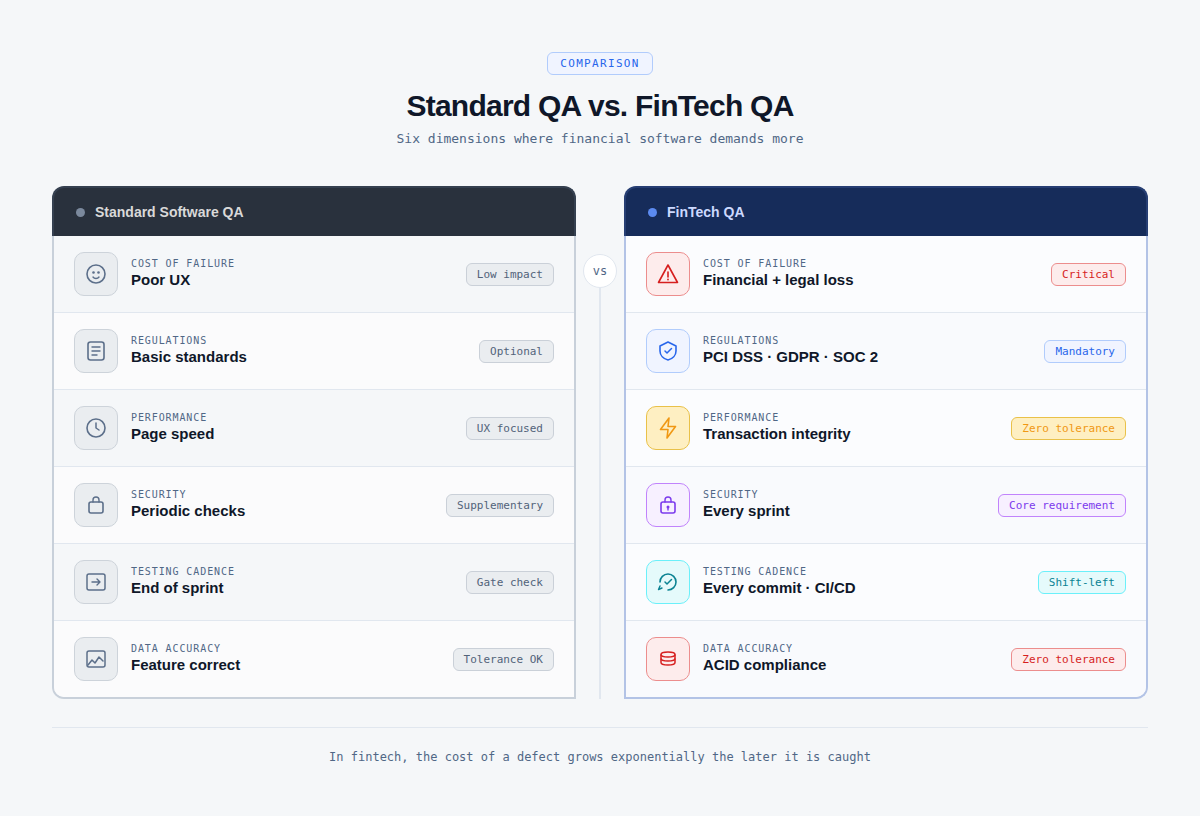
    Here is what makes financial software testing different from traditional QA.

    1. The Cost of Failure Is Not Comparable

    In regular software, a bug might only cause a poor user experience.

    For example, an issue on an e-commerce site may lead to a few abandoned carts.

    But in fintech, failures are much more serious. A broken payment system can lead to:

    • Unauthorized transactions
    • Regulatory investigations
    • Customer complaints and lawsuits

    This is why fintech testing and payment system testing must focus on accuracy and reliability. The impact is not small. It grows quickly and can damage both finances and brand reputation.

    2. Regulatory Requirements Are Non-Negotiable

    Fintech platforms must follow strict rules and standards. These include:

    • PCI DSS for handling card data
    • GDPR for protecting user data
    • Local banking regulations

    In compliance testing for fintech, meeting these standards is critical. Not following them is not just a legal issue. It can shut down your business.

    That is why QA for fintech applications must treat compliance as a core part of testing, not something added later.

    3. Real-Time Transactions Leave No Room for Latency

    In fintech systems, speed is very important. Even a small delay can cause major problems, such as:

    • Failed transactions
    • Duplicate charges
    • Settlement errors
    • Broken audit records

    In banking software testing, performance is not just about speed. It is about making sure transactions are completed correctly under real-world conditions.

    4. Security Is a Core Requirement, Not Optional

    Financial systems are a major target for cyber attacks. Hackers look for:

    • Injection vulnerabilities
    • Weak authentication
    • Unsafe APIs
    • Poor encryption

    Because of this, financial software testing must always include strong security checks.

    Security testing is not a one-time activity. In FinTech QA Services, it is part of every development cycle to ensure continuous protection.

    This is why FinTech QA Services are very different from traditional QA. They focus on security, compliance, performance, and accuracy at every stage of development.

    {{cta-image-second}}

    Key Testing Areas in FinTech QA Services
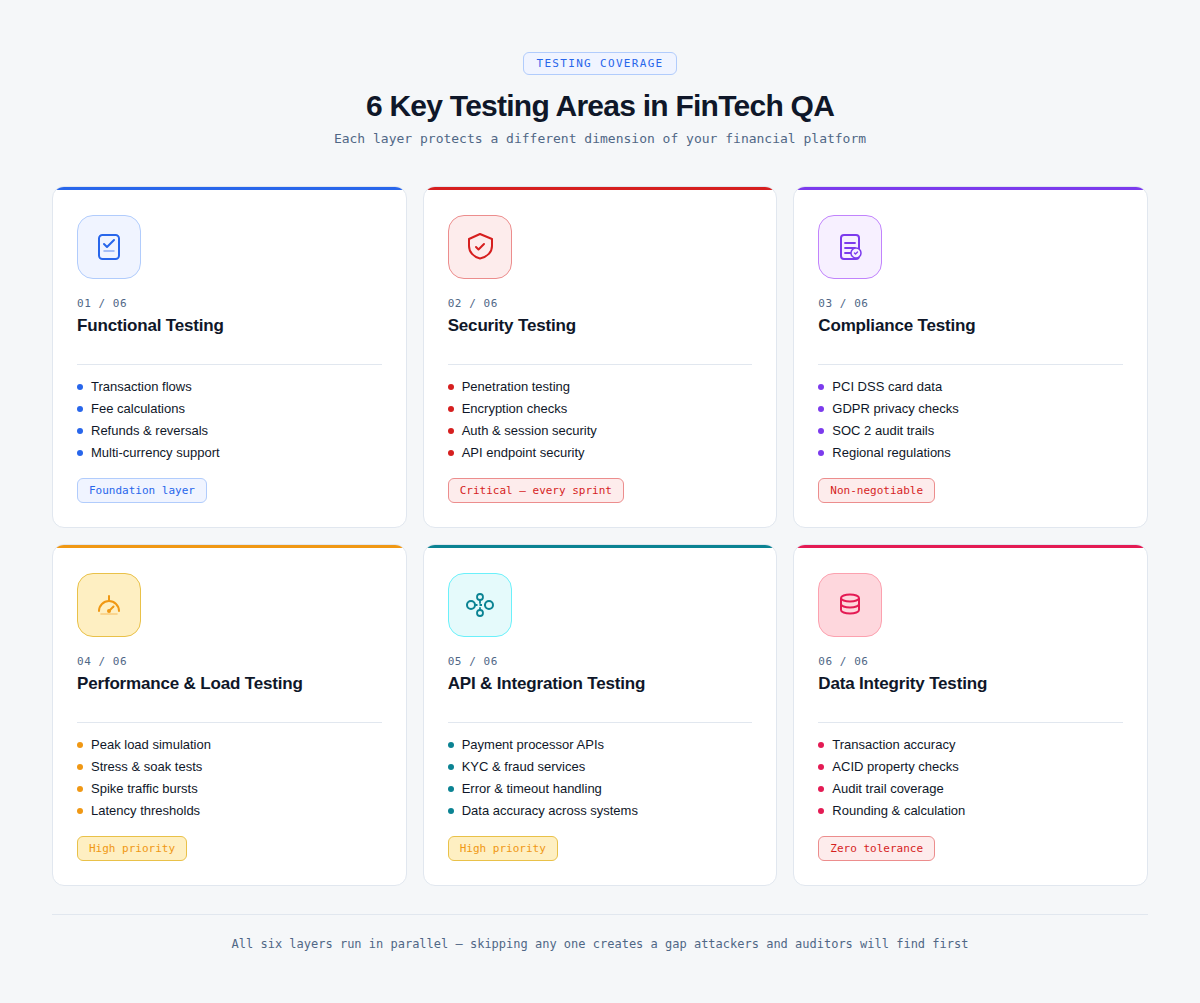
    1. Functional Testing

    This is the base of FinTech QA Services. Functional testing checks if your application works exactly as expected.

    In financial software testing, this means testing complete transaction flows from start to end. For example, when a user makes a payment:

    • The correct account should be debited
    • The payment should go through the right processor
    • The correct receiver should get the money
    • All records should be updated properly

    Even a small error, like a rounding issue, is considered a defect in fintech testing.

    Functional testing in QA for fintech applications usually includes:

    • Account creation and management
    • Fund transfers, both local and international
    • Interest and fee calculations
    • Refunds and transaction reversals
    • Multi-currency support
    • User login and session management

    2. Security Testing

    Security is one of the most important parts of FinTech QA Services. A security issue is not just a bug. It is a serious risk.

    Financial software testing must include strong security checks, such as:

    • Penetration testing: Simulates real attacks to find weaknesses before hackers do
    • Static and dynamic analysis: Checks code and running applications for security issues
    • Encryption verification: Ensures sensitive data like card details and personal information is protected during transfer and storage
    • Authentication testing: Confirms login systems, multi-factor authentication, and access controls are secure
    • API security testing: Important for payment system testing, since APIs are widely used and can be vulnerable if not secured

    3. Compliance Testing

    Compliance testing for fintech ensures your platform complies with all applicable regulations.

    In FinTech QA Services, this includes:

    • PCI DSS for card data protection
    • GDPR for user data privacy
    • Local banking regulations

    For example:

    • PCI DSS checks how card data is stored and processed
    • GDPR checks user consent, data storage, and deletion processes

    This is not just about documentation. QA for fintech applications ensures the software actually follows these rules in real use.

    4. Performance and Load Testing

    Fintech systems often fail during high traffic, not during normal usage.

    In banking software testing, performance testing checks how systems behave under pressure, such as:

    • Market opening spikes
    • High transaction periods
    • Payroll processing times

    Fintech testing includes:

    • Load testing: Checks performance under expected peak usage
    • Stress testing: Finds system limits and breaking points
    • Soak testing: Tests system stability over long periods
    • Spike testing: Checks how the system handles sudden traffic increases

    Key metrics in financial software testing include transaction success rate, response time, and error rate.

    5. API and Integration Testing

    Modern fintech platforms depend on multiple external systems, such as:

    • Payment processors
    • Credit bureaus
    • Banking networks
    • KYC providers
    • Fraud detection systems

    Each connection is a risk point.

    In payment system testing and fintech testing, API testing ensures:

    • Data shared between systems is correct
    • Authentication between services is secure
    • Errors are handled properly when third-party systems fail
    • Rate limits and timeouts are managed correctly

    6. Data Integrity Testing

    In fintech, data accuracy is critical. Even a small mistake can create major issues.

    For example:

    • Incorrect transaction amounts
    • Wrong fees
    • Invalid timestamps

    These errors can cause reconciliation problems that take a long time to fix.

    Data integrity testing in FinTech QA Services ensures:

    • Data remains accurate during input, storage, and processing
    • Data transformations do not introduce errors
    • Systems follow ACID properties, meaning data is atomic, consistent, isolated, and durable

    Challenges That Make FinTech Testing Hard

    1. Complex System Ecosystems

    Modern fintech platforms are highly connected. A single application may depend on many external services.

    In FinTech QA Services, this creates complexity because you are not only testing your own system. You also need to test how it behaves when:

    • External services are slow
    • APIs return errors
    • Third-party systems go offline

    This makes fintech testing and payment system testing much more challenging than regular software testing.

    2. Third-Party Dependencies You Do Not Control

    In financial software testing, many systems depend on third-party services such as:

    • Payment processors
    • Banking networks
    • Credit bureaus

    The problem is that you cannot always test using real systems. Sandbox environments often do not behave exactly like production systems.

    In QA for fintech applications, simulating these systems correctly is very difficult. If not done properly, it can give false confidence and hide real issues.

    3. Fraud Scenarios Are Hard to Simulate

    Fraud detection is a key part of FinTech QA Services, but it is not easy to test.

    Fraud patterns:

    • Change frequently
    • Are complex and unpredictable

    In fintech testing, it is not enough to test known fraud cases. You need to create realistic attack scenarios.

    Many teams struggle with this because it requires deep domain knowledge and advanced testing strategies.

    4. Regulatory Requirements Vary by Market

    Fintech platforms that operate in multiple countries must follow different regulations in each region.

    In compliance testing for fintech, passing one region’s requirements does not mean you meet others.

    This creates ongoing challenges in:

    • Banking software testing
    • Maintaining compliance across markets
    • Updating systems as regulations change

    5. Test Environment Parity

    Fintech production environments are complex and hard to replicate.

    In FinTech QA Services, a proper test environment should include:

    • Realistic data volumes
    • Same third-party integrations
    • Similar security settings

    Creating such an environment for financial software testing is expensive and difficult to maintain. Without it, testing may miss critical issues.

    Modern Tools and Frameworks for FinTech Testing

    A strong FinTech QA Services strategy depends on using the right tools for each type of testing. In fintech testing and financial software testing, selecting the right stack helps teams maintain accuracy, security, and performance.

    Here is a simple overview of commonly used tools:

    Testing Area Tools
    Functional & End-to-End Testing Playwright, Selenium, Cypress
    Security Testing OWASP ZAP, Burp Suite, Checkmarx
    Performance Testing k6, Gatling, Apache JMeter
    API Testing Postman, REST Assured, Karate
    Test Reporting & Analytics TestDino

    Why Tool Selection Matters

    In FinTech QA Services, tools are important, but how they are used matters more.

    A well-structured setup in QA for fintech applications with proper automation and reporting is more effective than using many tools without clear processes. The focus should always be on building a reliable and maintainable testing system for secure and scalable financial applications.

    {{cta-image-third}}

    Building a Solid FinTech QA Strategy
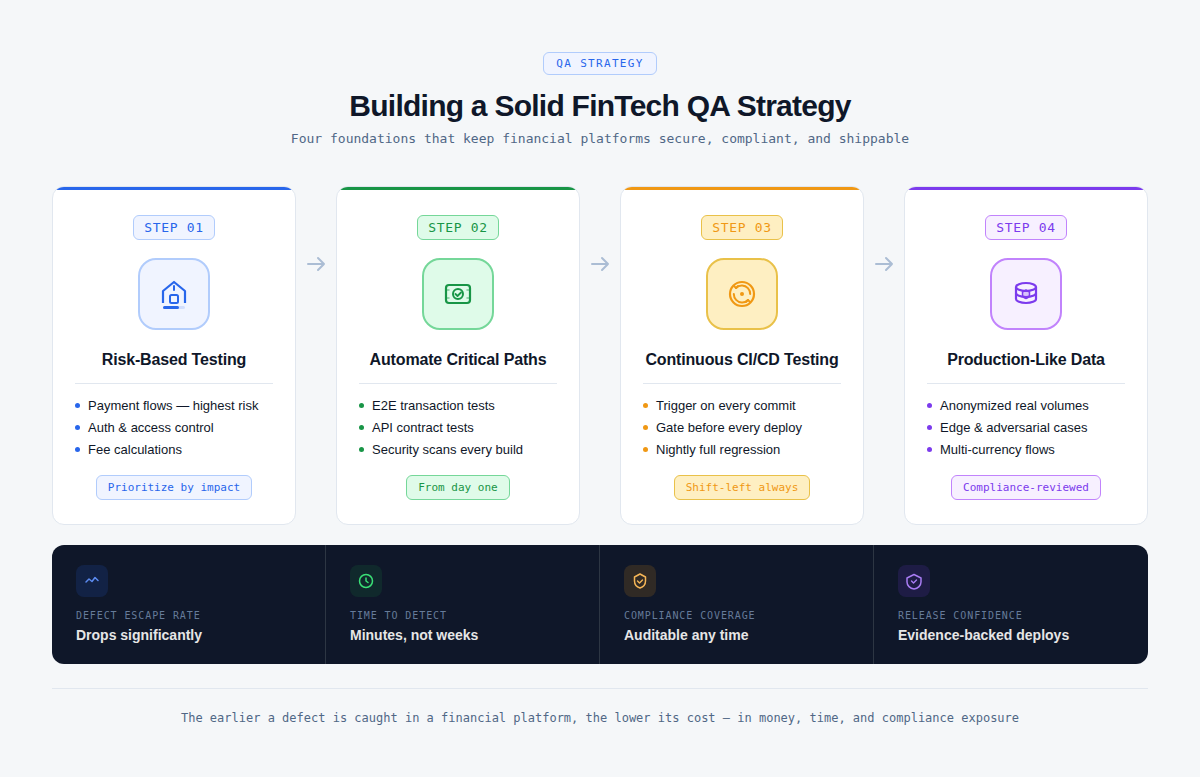
    1. Start with Risk-Based Testing

    In FinTech QA Services, not all features have the same level of risk.

    For example:

    • A small UI change is low risk
    • A change in interest calculation is a high risk

    In fintech testing, risk-based testing helps teams focus on what matters most. It ensures that critical areas get the most attention.

    In financial software testing, you should first identify high-risk areas such as:

    • Payment processing
    • User authentication
    • Data storage
    • Fee and interest calculations

    These areas should have deep testing coverage, while lower-risk features can have lighter testing.

    2. Build Automation from the Start

    Manual testing alone cannot support growing fintech platforms.

    As systems grow, test cases also increase. Without automation, teams either:

    • Slow down releases
    • Reduce test coverage

    Both are risky in QA for fintech applications.

    In FinTech QA Services, teams should:

    • Automate regression tests for critical flows
    • Use tools like Playwright for end-to-end testing
    • Run automated tests on every code change

    This ensures bugs are found early, not later in the release cycle.

    3. Integrate Testing into CI/CD

    Testing only at the end of development is too late.

    By that stage:

    • Bugs are harder to fix
    • Dependencies may have changed
    • Costs increase

    In fintech testing, continuous testing is essential.

    With CI/CD integration in financial software testing:

    • Every code change triggers automated tests
    • Security checks run regularly
    • Performance tests run before deployment

    This approach helps teams detect and fix issues early.

    4. Test with Production-Like Data

    Using only test or dummy data can miss real-world issues.

    In FinTech QA Services, test data should be as close as possible to real data.

    Teams should:

    • Use anonymized production data
    • Work with legal and compliance teams
    • Ensure data privacy while testing

    This improves the accuracy and reliability of banking software testing.

    Conclusion

    FinTech QA Services are essential for building secure, reliable, and compliant financial applications where even small errors can lead to major risks. A strong approach to fintech testing ensures your platform works correctly under all conditions.

    Alphabin helps teams implement scalable and effective financial software testing strategies by focusing on automation, security, and continuous testing. This makes it easier to deliver high-quality fintech products with confidence.

    By investing in the right QA for fintech applications, businesses can reduce risk, improve performance, and maintain trust while growing in a highly regulated environment.
  • GFF 2024 Day 3: PM Modi’s Vision for India’s Fintech Future

    GFF 2024 Day 3: PM Modi’s Vision for India’s Fintech Future

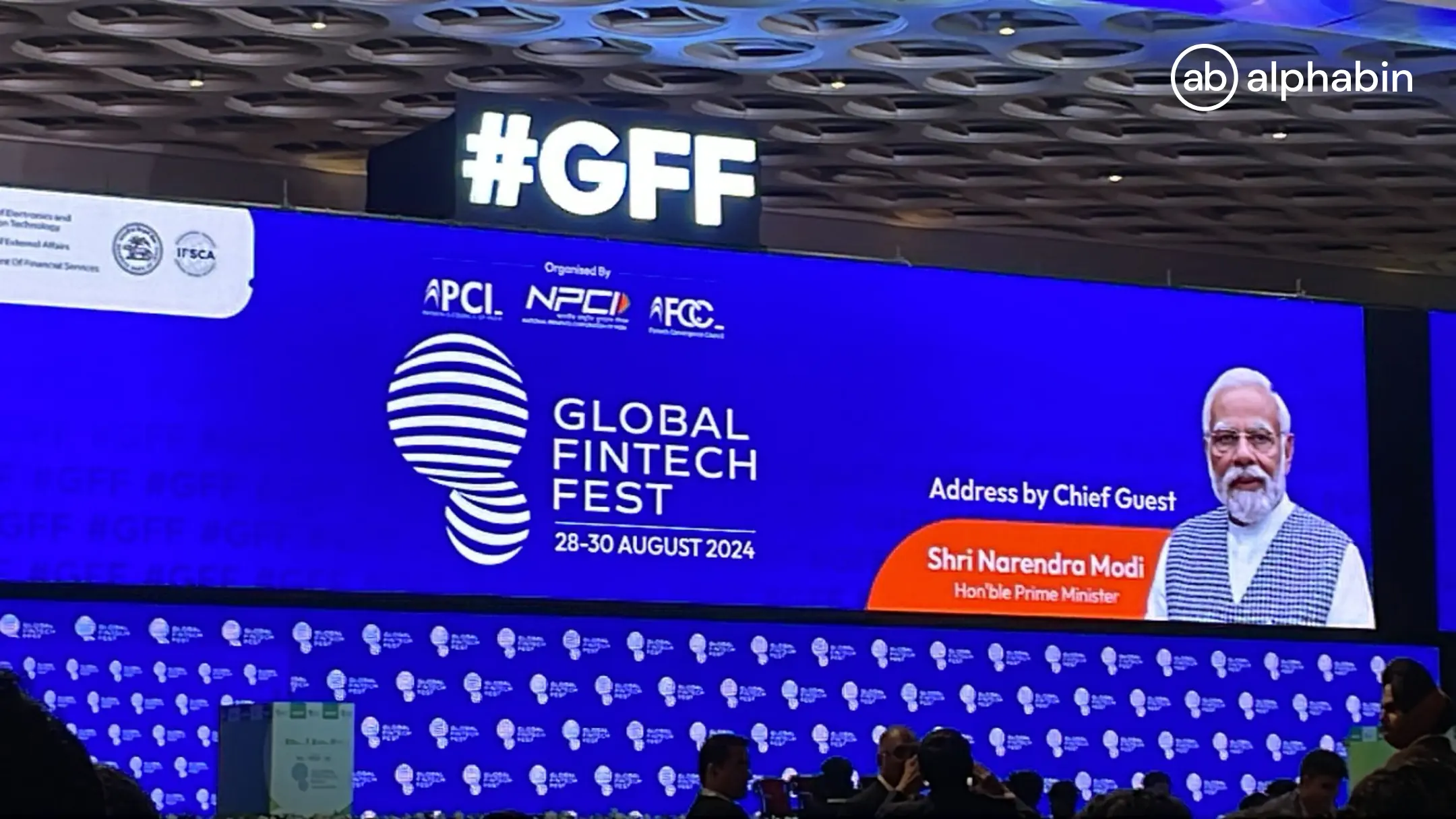
    As I eagerly awaited the start of Day 3 at the Global Fintech Fest 2024, the excitement was palpable. The added certainty that our very honorable Prime Minister Shri Narendra Modi would be in attendance boosted that expectation. His attendance was to take the day to another level since everyone eagerly awaited his views on India’s position in the global fintech industry.

    One could easily note preparations for his arrival were in full swing all over Mumbai. Measures towards security and road closures led to traffic drain, but it was evident that these inconveniences were minor drawbacks as compared to the potential to hear from a Prime Minister. Every corner of this city was filled with energy, which only pointed to what was happening.

    As Day 3 unfolded, it became clear that the discussions and sessions were nothing short of transformative. As all of us waited to listen to Modi Ji’s speech every one of us could not help but think about how this great fintech ecosystem of India would evolve in front of the world stage. It was going to be one of those days when everyone would gain new perceptions and effective ideas which would be significant enough to mark the progress of Fintech in India as well as in International Markets.

    The anticipation of Modi Ji’s speech added to the excitement, especially for those deeply invested in fintech’s future. This brought out one critical factor that was evident throughout the deliberations, and that was the need to have high-standard testing to promote the advances in Fintech. Specifically, Alphabin is one of the leaders of fintech testing, and it meaningfully contributed to this process. It particularly synchronized with Modi Ji’s focus on innovation and leadership in the world translated through testing as a foundation for secure and efficient digital finance.

    Let’s see what insights Shri Narendra Modi Ji shared in his speech and what other speakers had to say at this transformative event.

    Key Insights Shared by Speakers At The Event

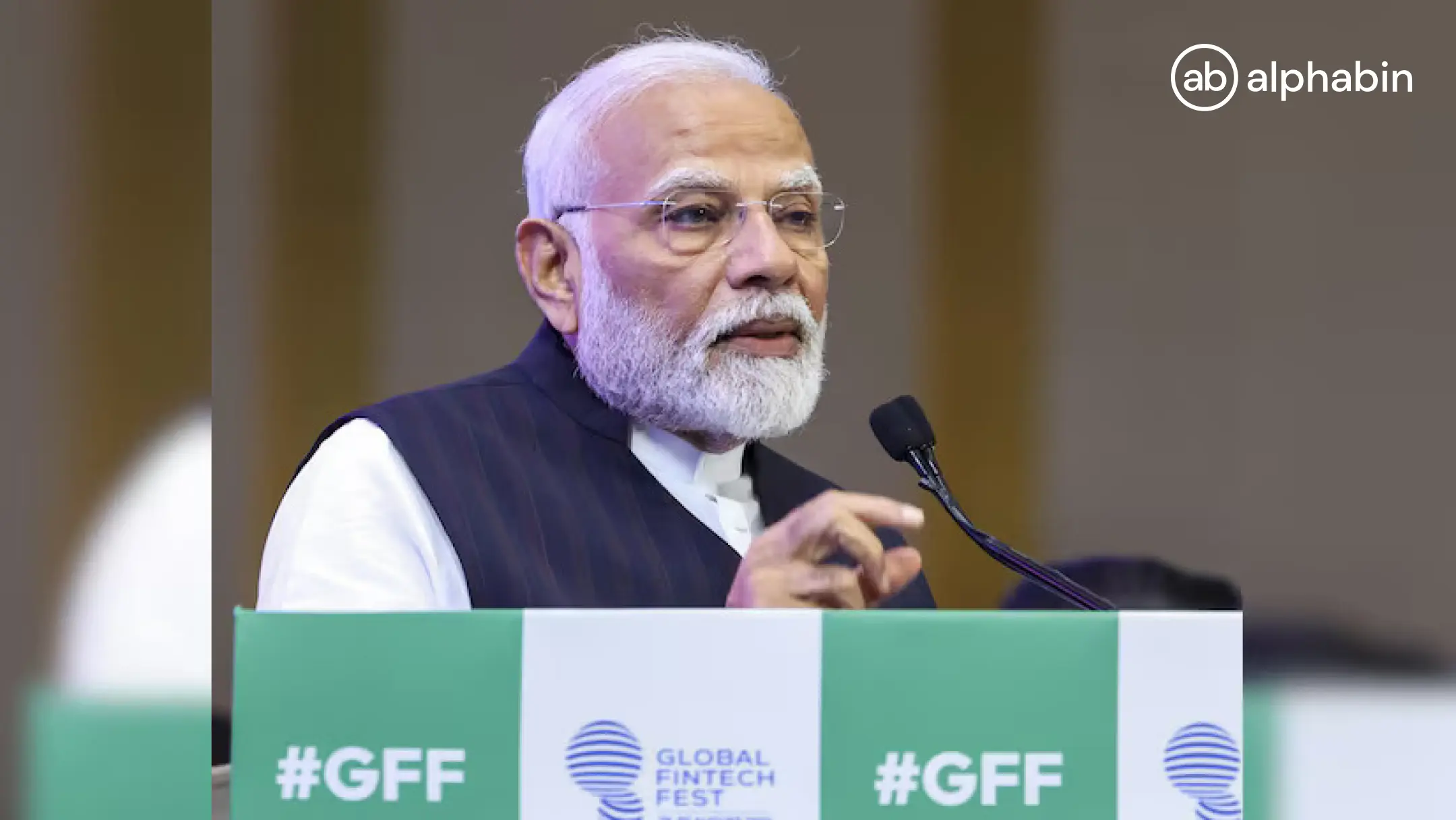
    Prime Minister Narendra Modi addressed the Global Fintech Fest 2024 with a message of optimism and pride, underscoring India’s unprecedented strides in the fintech sector. Speaking at the Jio World Convention Centre in Mumbai, he reflected on how India has evolved from a country known for its cultural diversity to a nation recognized for its dynamic fintech ecosystem. 

    Shree Narendra ModiJi highlighted that this transformation is evident from the moment international visitors step off the plane, as they encounter the seamless integration of fintech in everyday life—from airport services to street vendors utilizing digital payments.

    Shree Narendra ModiJi Speech Highlights:

    1. India’s Fintech Revolution: Modi Ji elaborated on how it has changed, from ‘Cultural diversity’ to ‘Fintech diversity’, astonishing global visitors with the ubiquity and innovation of fintech in India.
    2. Massive Growth in Fintech: During the last 10 years, the Indian fintech industry has received an investment of $31 billion and the number of fintech start-ups has increased by 500 % increase in startups  for a technology phone, cheap data, and financial inclusion schemes such as Jan Dhan Yojana
    3. Financial Inclusion Milestones: More than 530 million individuals are included in the Jan Dhan scheme, which is a great success in the process of formal financial inclusion of the Indian population that is comparable to the entire European Union population.
    4. Digital Payment Leadership: During the meeting, Modi Ji talked about the introduction of digital transactions, underlining that the world has recognized India as the leader in the sphere, especially due to UPI, enabling 24/7 banking.
    5. Empowerment of Women: The Prime Minister addressed the 10th anniversary of the Jan Dhan Yojana and pointed out that women had benefited from it, mentioning the opening of 29 crore bank accounts for women and major benefits under the Mudra Yojana.
    6. Role of Fintech in Social Equity: The role and impact of fintech in India cannot be emphasized enough, as it spearheaded not only the technological revolution but also helped reduce the Rural-Urban digital divide, thereby increasing the quality of lives of people by providing them with the basic necessity of the society i.e. Banking.
    7. Call for Global Collaboration: To increase access to markets, and improve the customers’ and citizen experience, Modi Ji encouraged the world fintech community to adopt new technologies such as Digital Twins and ONDC to strengthen an open, inclusive economy.
    8. Commitment to a Supportive Policy Environment: Talking about the government’s measures, the Prime Minister mentioned the elimination of the Angel Tax and introducing the Digital Personal Data Protection Act as a favorable environment for fintech businesses fighting cyber fraud and enhancing people’s awareness of the digital world.

    The Future of Fintech and the AI Digital Transformation in India

    The future of fintech and the AI digital transformation in India

    The debate session titled “The Future of Fintech and the AI Digital Transformation in India” featured senior government representatives in a manner that converse about how artificial intelligence is revolutionizing fintech in India and more so within the public sector.

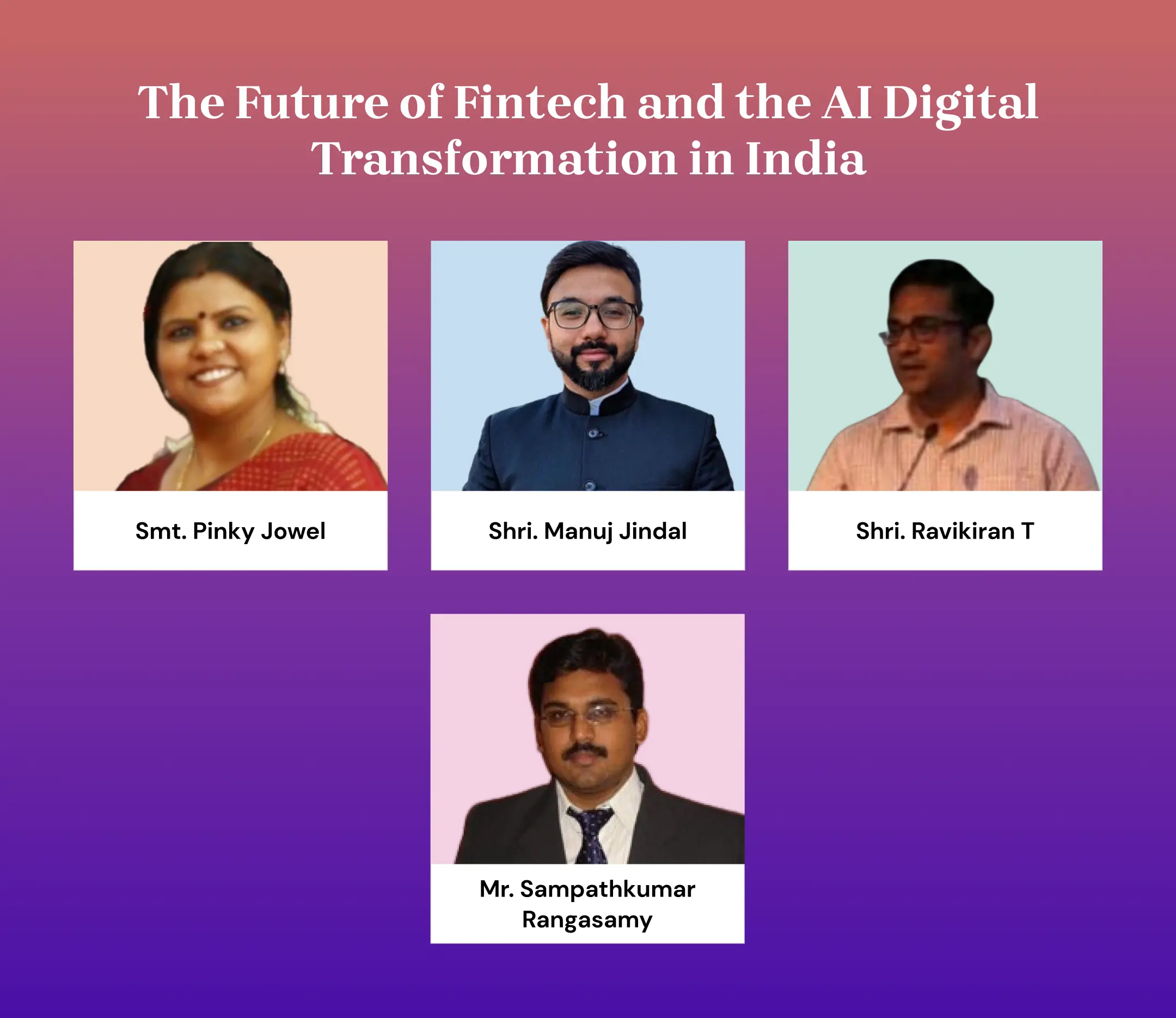
    Speakers included Smt. Pinky Jowel, IAS, Secretary of Health for the Government of Uttar Pradesh; Shri. Manuj Jindal, IAS, Joint Managing Director of MSRDC, and Shri. Ravikiran T, IFS, Commissioner of ESD MeeSeva for the Government of Telangana. These experts shared their insights on the intersection of AI and fintech, highlighting the government’s role in driving digital transformation across various sectors.

    Session Host Mr. Sampathkumar Rangasamy, Chief of Online Payment Products at NPCI, facilitated the discussion, focusing on how AI can enhance public services, improve financial inclusivity, and support India’s digital growth.

    This session was quite insightful as it enabled me to know the government’s view on the use of AI to transform the fintech sector and delivery of services in India.

    Key Highlights:

    1. Government-Led Digital Transformation
      Smt. Pinky Jowel, IAS,
      explained that the Government of Uttar Pradesh has also successfully embraced the use of AI to enhance the health services that are being offered to citizens and increased the effectiveness of the platforms that are deployed towards the delivery of healthcare services.
    2. AI in Infrastructure Development
      Shri. Manuj Jindal, IAS,
      highlighted how MSRDC uses AI, specifically through analytics and data management, to enhance the implementation and administration of infrastructural projects.
    3. Enhancing Citizen Services with AI
      Shri. Ravikiran T, IFS,
      provided valuable information on how the Government of Telangana has implemented Artificial Intelligence into the ESD MeeSeva program which has helped in increasing government solutions for public issues, making them more transparent and efficient.
    4. Strategic Role of AI in Fintech
      Special thanks to Mr. Sampathkumar Rangasamy from NPCI for explaining how AI is being used in an intentional and planned manner within the Indian fintech ecosystem to propel the digital payments space, promote the achievement of the overall vision of digital India, and increase financial accessibility for all.

    e-RUPI – Powered by Pine Labs 

    Session Overview: The session titled “e-RUPI – Powered by Pine Labs” was a well-directed product briefing or launch event dedicated to Pine Labs’ business strategy in the Indian market that emphasized digital payment systems.  Mr. Anupam Adhikari, Senior Product Manager at Pine Labs, the session highlighted e-RUPI as a purpose-bound prepaid voucher with compulsion to be accepted across sectors.

    e-RUPI - Powered by Pine Labs

    Key Highlights:

    • Revolutionizing Digital Payments: Mr. Anupam Adhikari underlined how e-RUPI, a product created by Pine Labs is poised to transform how digital payments are facilitated in India. The use of this platform will make transactions easier in the sense that it will cut out middlemen, which may in most cases defraud unsuspecting users.
    • Universal Acceptance: Among all those aspects, the flexibility of using e-RUPI in multiple platforms as well as multiple merchants was highlighted. This feature makes the vouchers easily implementable by the users to negotiate for a given service regardless of the provider, therefore making it diverse and valuable in the options for payment services.
    • Purpose-Bound Prepaid Vouchers: Both direct benefit transfers and cash transfers have been depicted in e-RUPI to address delivering the benefits targeting the specific utilization. This innovation is especially helpful in schemes that involve the welfare of the poor and needy and it assists in guaranteeing that subsidies and other forms of assistance get to these recipients without being compromised.

    Key Takeaways from Shri Piyush Goyal’s Address at GFF 2024

    Union Commerce and Industry Minister Shri Piyush Goyal delivered a significant address at the Global Fintech Fest (GFF) 2024, In his speech, He also pointed out that the sector had made rapid progress that saw the break-down of barriers that hitherto relegated many Indians to the boundary of banking and financial services as evidenced by the commitment to inclusive growth.

    Key Highlights:

    Fintech’s Role in Inclusive Growth: It highlighted the fact that the Fintech industry has broken the walls of financial inclusion in India by providing banking facilities to millions of Indians.

    Sustaining Economic Momentum:  He complimented the sector as being innovative and passionate especially in the running of the economies, especially during crises like the ongoing pandemic.

    Emphasizing the importance of GFF, Shri Piyush Goyal presented his views to assert that the event is all set on its way to becoming the largest and the most influential fintech show globally. He agreed that the fintech industry had come up to the expectations more so about proving that a developing nation such as India can generate cheap and efficient solutions for the world’s financial needs.

    Shri Piyush Goyal also expressed that the rapidly growing feature of Fintech has revolutionized the financial sector to provide facilities up to the grassroots level in the country. He attributed a lot to the fintech sector in India’s growth and its contributions especially during the pandemic were phenomenal.

    Besides that, the Union Minister appreciated the fintech industry for not only driving economic growth during the bad times but also for providing appropriate access to financial services all around the country and, hence, it has helped in making the country’s financial sector more strong and more inclusive.

    Public-Private Partnerships in Digital Payment Infrastructure

    Public-private partnerships in Digital Payment Infrastructure

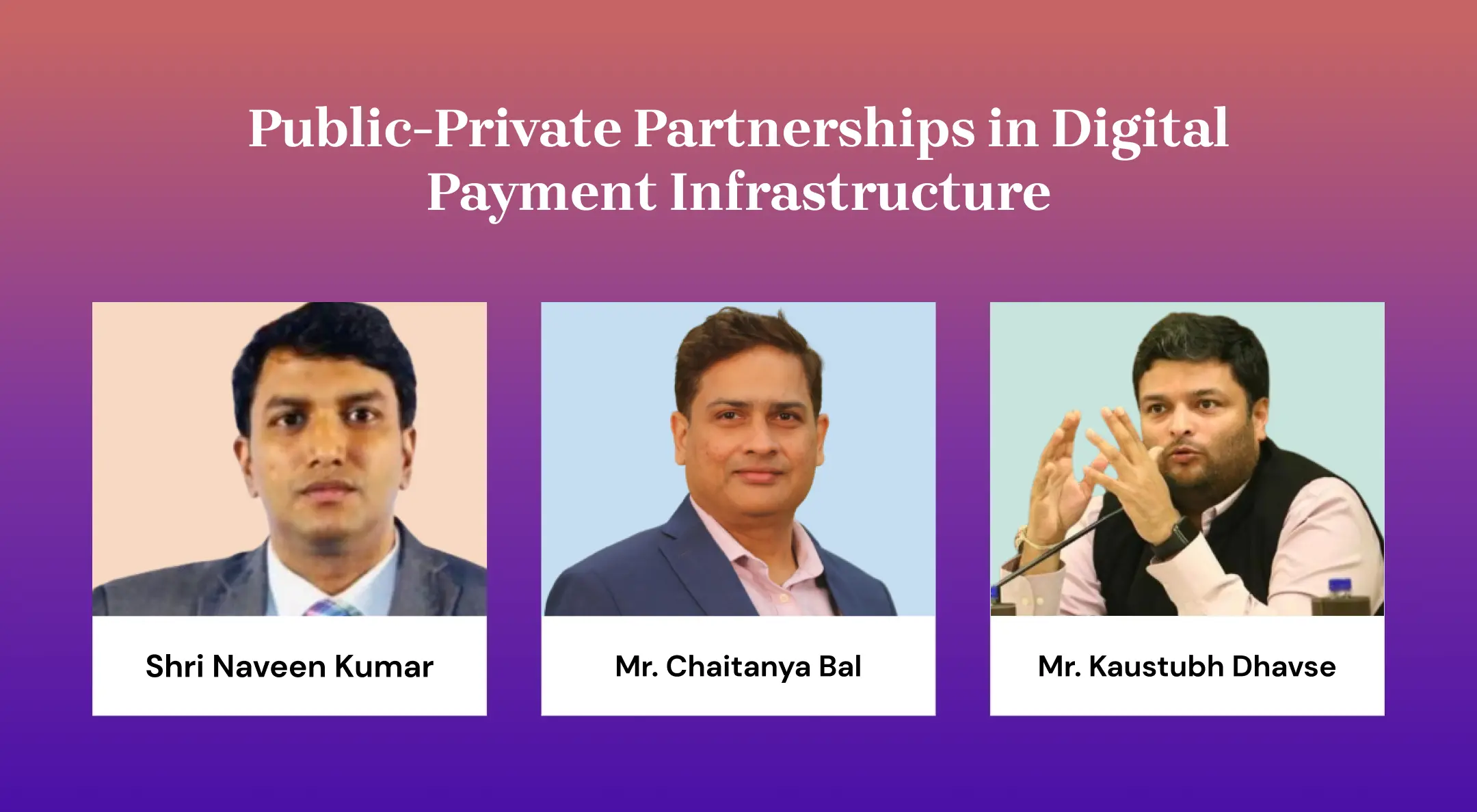
    The panel discussion on “Public-Private Partnerships in Digital Payment Infrastructure” at the Global Fintech Fest 2024 focused on the collaboration between government bodies and private companies to enhance digital payment systems. Shri Naveen Kumar, IAS, and Shri Kaustubh Dhavse discussed the strategic roles their respective governments are playing in advancing digital payment infrastructure. The session, hosted by Mr. Chaitanya Bal from NPCI, highlighted the importance of such partnerships in driving financial inclusion and ensuring the reliability and scalability of digital payments across India.

    The Global Fintech Fest 2024 held a panel discussion in which the topic to be discussed was ‘Public-Private Partnerships in Digital Payment Infrastructure’. Mr. Naveen Kumar, the IAS officer of the Telangana government, and Mr. Kaustubh Dhavse were sharing their government’s strategic initiatives for pushing the Digital payment sector. The session conducted by Mr. Chaitanya Bal from NPCI stressed the role of such affiliations in the cause of making more accessible financially sovereign India and the effective and trustworthy nature of Digital transactions.

    Key Highlights:

    1. Collaborative Efforts: Several challenges were highlighted for reflection as well as potential solutions, one of which was that the Govt and private entities have to come together to improve the infrastructure for digital payments and features of financial organizations in India.
    2. Government Role: Shri Naveen Kumar and Shri Kaustubh Dhavse also address how their states are leading Digital Payments adoption and infrastructure development plans and schemes.‍
    3. Private Sector Contribution: This was also evident in the dialogues within establishing how the private sector especially players in the industry can transform and deploy a viable and effective digital payments infrastructure in parallel with reinforcing government initiatives in the formulation of a complementary payment system.

    Day 3 at the Global Fintech Festival: A Convergence of Vision, Innovation, and Leadership

    Day 3 of the Global Fintech Festival 2024 wrapped up, the energy was electrifying, driven by the anticipation and eventual speech of Prime Minister Narendra Modi. His address underscored India’s emerging dominance in the global fintech landscape, setting a visionary tone for the future. It was a day of arguably the most essential debates that compared and contrasted conventional financial models with revolutionary technologies in the field of Fintech and underlined the impact of the formers in global economies.

    At Alphabin, the day’s sessions were particularly impactful, enriching our understanding and fueling our strategies for advancing automation testing. Talking to everyone from founders to technology leaders strengthened my sense of purpose in delivering the best and refining our imperative mission of building secure and efficient Digital Finance platforms. Such interactions have prepared us to deal more effectively with the increasing problems of the industry, the corresponding solutions developed responding to the well-deserved high standards of the future fintech environment.

    Fortunately, I was able to interact with many founders and co-founders within quite many fintech companies. Such discussions were very informative, calling attention not only to the current trends in fintech but also to such things as challenges that may arise from accelerating the rate of innovations. Some talked about bugs they have been experiencing over time, especially after newer functional enhancements, and this allowed me to introduce Alphabin’s proven performance on enhanced testing procedures. 

    These interactions also enhanced the degree of communication flow, and learning from one another making the experience very fulfilling. I had lots of fun during each session and gained new information and a better perspective on the present state of the fintech industry which will impact the strategies of Alphabin.

    Reflecting on the day, it’s clear that the insights from global fintech leaders have set a powerful course for the future. Alphabin leaves the festival inspired and eager to contribute to the evolving fintech landscape, leveraging the wisdom and inspiration from the festival to enhance our services and solutions. The last day of GFF 2024 marked a new beginning, filled with promising opportunities for collaboration and innovation in the fintech sector.

  • GFF24 Day 2: Fintech Testing Insights

    GFF24 Day 2: Fintech Testing Insights

    The excitement built as we kicked off Day 2 of the Global Fintech Fest 2024! The day was packed with insightful sessions led by some of the brightest minds in the fintech world, including top CEOs and founders. The energy was palpable, with everyone eager to dive into discussions that would shape the future of digital finance.

    That morning, I had the pleasure of meeting with several prominent founders and co-founders, where we exchanged valuable insights into the fintech space. These conversations were particularly enlightening, as many of them shared the significant challenges they faced when building applications or websites. They emphasized the numerous errors and bugs that often arose, especially when developing new functionalities. As a key player in fintech testing, Alphabin was well-positioned to address these challenges with our expertise, ensuring that every fintech product we touched was not only innovative but also free from critical bugs and errors.

    As we delved into the day’s agenda, it became clear that several high-profile product launches were scheduled. However, it was important to note that many innovative fintech products faced challenges not due to a lack of creativity, but because of undetected bugs or errors resulting from inadequate testing.

    roundbreaking developments in digital currencies. With industry leaders sharing their knowledge and experience, it was a day full of inspiration and learning.

    AlphaBin was there, leading the charge in fintech innovation with our cutting-edge testing solutions that ensured every digital finance application we touched was primed for success. We continued to push the boundaries of what’s possible in this dynamic field.

    Now that the stage was set, we delved into what the speakers on August 29th shared. We explored the key takeaways and groundbreaking ideas that shaped the future of fintech at GFF 2024.

    Key Takeaways from Day 2 at GFF 2024

    Day 2 of the Global Fintech Fest 2024 was packed with groundbreaking insights and forward-thinking discussions that set the stage for the future of fintech. The day featured in-depth sessions on automation testing’s role in streamlining digital finance and expert panels on the latest advancements in fintech security. The agenda provided invaluable knowledge for industry professionals and enthusiasts alike. As we delved into the key points from the sessions, it became clear how these developments were poised to transform the financial landscape and drive innovation in the years to come.

    Now, let’s explore what the top speakers shared about the evolving role of technology in finance and what these insights meant for the future.

    Global Fintech Women – Power Breakfast 

    In the first session of Day 2 at the Global Fintech Fest 2024, the Global Fintech Women – Power Breakfast brought together industry leaders to discuss the impact and role of women in Indian fintech. The session featured the launch of the “Diversity Pulse Check: Women in Indian Fintech” report, which highlighted the current landscape and progress of women in the fintech ecosystem. This session was a significant step in understanding the contributions of women and addressing the challenges they face in this rapidly evolving industry.

    The session also included the release of the GFW Impact Report, emphasizing the importance of diversity and inclusion in driving innovation and growth in fintech. Topics such as ecosystem development and networking were central to the discussions, underlining the critical role that diverse leadership plays in shaping the future of the fintech sector.

    This session set a powerful tone for the day, reminding all attendees of the value that diversity brings to the fintech industry, and encouraging continued progress towards a more inclusive and equitable financial ecosystem.

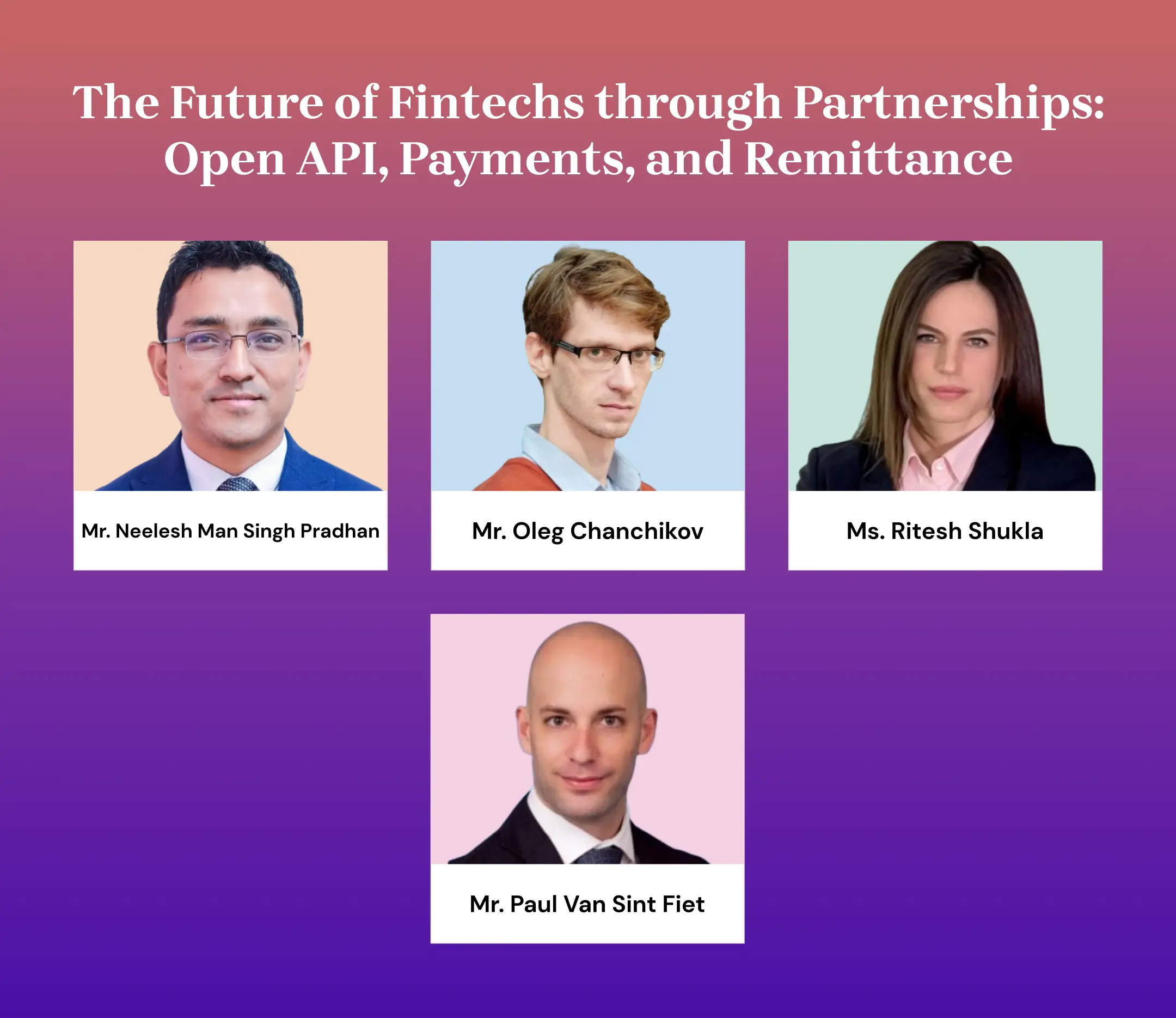
    The Future of Fintechs through Partnerships: Open API, Payments, and Remittance

    The future of FinTechs through partnerships

    One of the key highlights today is the panel discussion titled “The Future of Fintechs through Partnerships: Open API, Payments, and Remittance.” This session brings together prominent leaders in the fintech ecosystem to explore how partnerships, particularly those leveraging Open APIs, are revolutionizing the payments and remittance sectors. As fintech continues to evolve, collaboration and technology integration is becoming vital for driving innovation and delivering seamless financial services globally.

    Speaker Insights and Anticipated Discussions

    1. Mr. Neelesh Man Singh Pradhan – Chief Executive Officer, Nepal Clearing House Ltd. (NCHL)
      • Mr. Pradhan is expected to discuss the pivotal role of Open APIs in enhancing the interoperability of payment systems.
      • He will likely share insights from Nepal’s experience with digital payments and how partnerships have facilitated greater financial inclusion and efficiency in cross-border transactions.
    2. Mr. Oleg Chanchikov – Chief Executive Officer, CapyGroup
      • Mr. Chanchikov may delve into how fintech companies can leverage Open APIs to develop innovative payment solutions that cater to diverse markets.
      • His focus could include the importance of agility and collaboration in the fintech space, as well as the role of technology in simplifying complex financial processes.
    3. Ms. Stavroula Kampouridou – Chief Executive Officer, DIAS S.A.
      • Ms. Kampouridou is anticipated to highlight the impact of strategic partnerships in expanding the reach of digital payment networks across Europe.
      • She might discuss the challenges and opportunities that come with integrating new technologies into existing financial infrastructures, especially in the context of remittances.
    4. Mr. Paul van Sint Fiet – Head of APAC Cross Currency Solutions, J.P. Morgan Payments
      • Mr. Fiet will likely focus on the significance of cross-border payments and how Open APIs are being used to streamline these transactions.
      • He may also discuss J.P. Morgan’s approach to managing currency exchanges and the role of fintech partnerships in enhancing the efficiency and security of global payment systems.

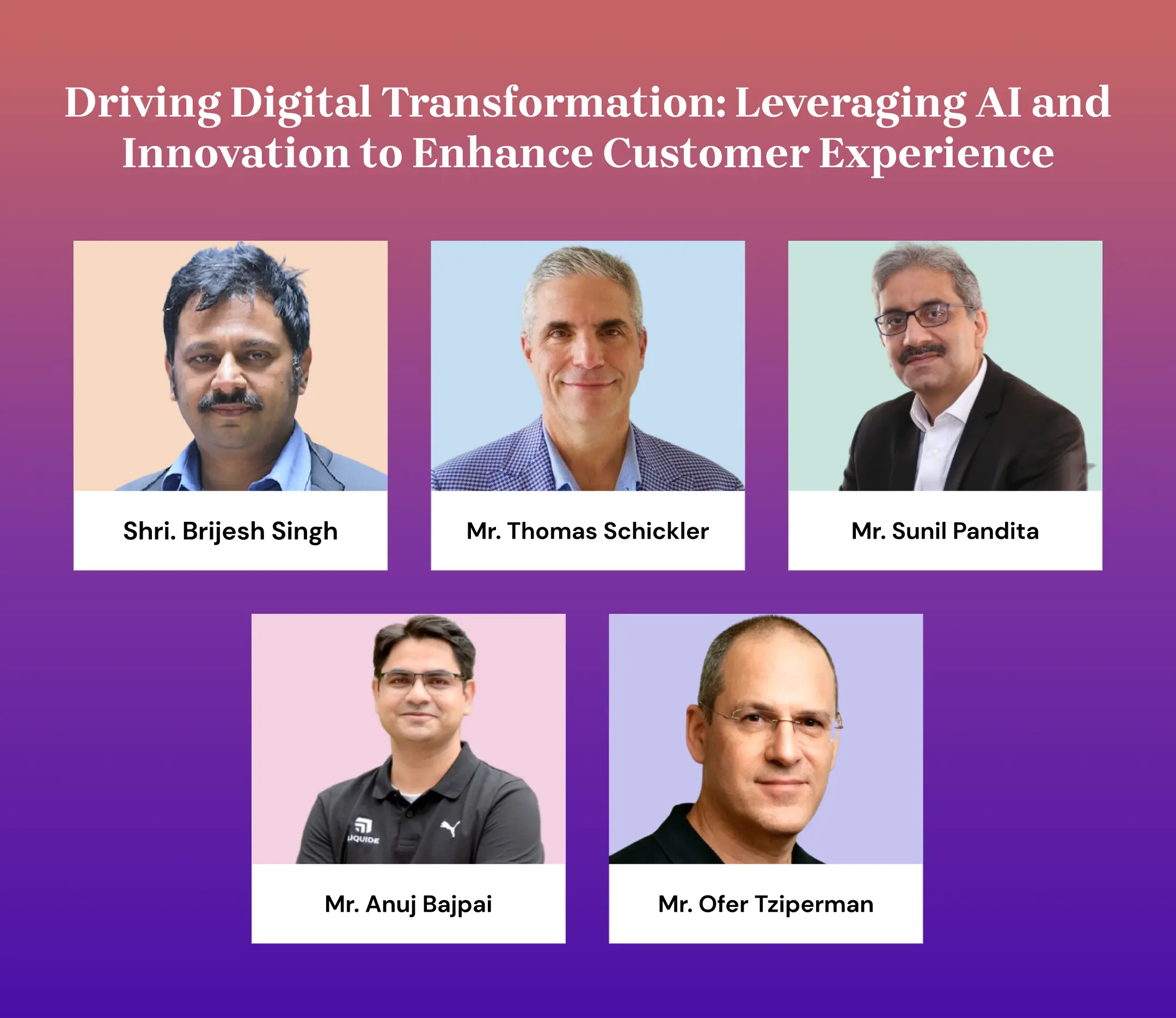
    Driving Digital Transformation: Leveraging AI and Innovation to Enhance Customer Experience

    Driving Digital Transformation

    The spotlight turns to a highly anticipated panel discussion titled Driving Digital Transformation: Leveraging AI and Innovation to Enhance Customer Experience. This session brings together key industry leaders who are at the forefront of digital transformation, using artificial intelligence and innovative technologies to revolutionize the customer experience in fintech. The discussion is expected to explore the latest trends and strategies in digital transformation, highlighting how AI and innovation are reshaping the way businesses interact with their customers.

    Speaker Insights and Anticipated Discussions

    1. Shri. Brijesh Singh – Principal Secretary to the Chief Minister, Government of Maharashtra
      • Shri. Brijesh Singh is expected to provide insights into the government’s role in fostering a supportive environment for digital transformation in the fintech sector.
      • His discussion may focus on regulatory frameworks that encourage innovation while ensuring customer protection and data privacy.
    2. Mr. Thomas Schickler – Chief Revenue Officer, Zafin
      • Mr. Schickler will likely discuss how Zafin is leveraging AI to offer personalized financial products and services that enhance customer satisfaction.
      • His insights might include the challenges and opportunities in integrating AI into existing financial systems to deliver more tailored and efficient customer experiences.
    3. Mr. Sunil Pandita – Vice President, Sales (India and South Asia), Newgen Software
      • Mr. Pandita is anticipated to highlight how Newgen Software is using AI-driven solutions to streamline operations and improve customer engagement in the banking sector.
      • He may also discuss the impact of digital transformation on customer retention and loyalty.
    4. Mr. Anuj Bajpai – Co-Founder & CEO, Liquide
      • Mr. Bajpai is expected to share Liquide’s approach to using AI and data analytics to enhance investment strategies and provide customers with better financial advice.
      • His focus could be on how digital transformation is enabling fintech startups to compete with traditional financial institutions by offering superior customer experiences.
    5. Mr. Ofer Tziperman – Senior VP; Former CEO of ANAGOG, Intent HQ (ANAGOG)
      • Mr. Tziperman might delve into how predictive analytics and AI are being used to anticipate customer needs and deliver more personalized services.
      • His discussion could also touch on the ethical considerations of using AI in customer interactions and how to balance innovation with responsibility.

    ONDC’s Role in Protecting India: Insurance for Everyone

    ONDC's role in protecting India

    Let’s delve into the panel discussion titled “ONDC’s Role in Protecting India: Insurance for Everyone.” This session gathers prominent leaders from the insurance and fintech sectors to explore how the Open Network for Digital Commerce (ONDC) can enhance insurance accessibility across India, ensuring comprehensive protection for all.

    Speakers such as Mr. Sridhar Srinivasan, Co-Founder & CTO of Nivesh, Mr. Jagjeet Singh Siddhu, Chief Distribution Officer at Zurich Kotak GIC, Mr. Dheepak Rajoo, CIO of Royal Sundaram Insurance, and Mr. Ankit Agrawal, Founder & CEO of InsuranceDekho, will share their insights on the evolving landscape of insurance in India. They will discuss how ONDC’s framework can drive inclusion, innovation, and reach in the insurance sector.

    The session will be moderated by Mr. Mohit Monga, Vice President of Financial Services Products at ONDC, who will steer the conversation towards the critical aspects of how ONDC can streamline insurance distribution, improve customer experience, and enhance overall industry transparency.

    Key Highlights:

    1. Role of ONDC in Insurance Distribution: The speakers will discuss how ONDC’s open platform can simplify insurance distribution, making it easier for consumers to access a variety of insurance products tailored to their needs.
    2. Increased Accessibility and Inclusion: Emphasis will be placed on how ONDC can extend the reach of insurance services to underserved populations, particularly in rural and semi-urban areas, thereby promoting financial inclusion.
    3. Innovations in Insurance Technology: The panel will explore the technological innovations facilitated by ONDC that can drive efficiency and improve the customer experience, from product discovery to claims processing.
    4. Challenges and Opportunities: The discussion will also cover potential challenges in integrating ONDC with traditional insurance models and the opportunities it presents for insurers to expand their market reach.
    Launch of Make in India SoundBox by Razorpay POS

    Razorpay made a significant mark on the second day of the Global Fintech Fest 2024 with the “Launch of the Make in Indi Soundbox”. This innovative product is set to enhance the payment processing experience across the country, combining superior sound quality with practical features that support local manufacturing and empower businesses. The product launch highlights Razorpay’s commitment to driving innovation in the fintech landscape, particularly in the offline payments sector.

    Hosted by Mr. Kunal Meghashyam Gothivarekar, Head of Offline Business at Razorpay, the event introduced this cutting-edge soundbox that promises to revolutionize in-store payment confirmations with its immediate audio notifications and LED visual status updates. The event underlined the importance of creating technology solutions that cater to the evolving needs of Indian merchants and consumers.

    Key Highlights:

    1. “Make in India” Soundbox Launch: This soundbox is specifically designed to improve payment processing by offering quick, audible transaction confirmations and LED visual cues, ensuring merchants can manage in-store transactions with greater ease.
    2. Support for Local Manufacturing: The device showcases Razorpay’s dedication to supporting local industries, aligning with the broader “Make in India” initiative to empower domestic businesses.
    3. Empowering Indian Businesses: By enhancing payment systems, the soundbox is set to provide Indian businesses with the tools they need to offer seamless, reliable in-store payment experiences, helping them stay competitive in a fast-evolving marketplace.
    4. Advanced Features: The soundbox not only provides instant audio confirmation but also includes LED indicators for visual updates, making the transaction process smoother and more transparent for both merchants and customers.
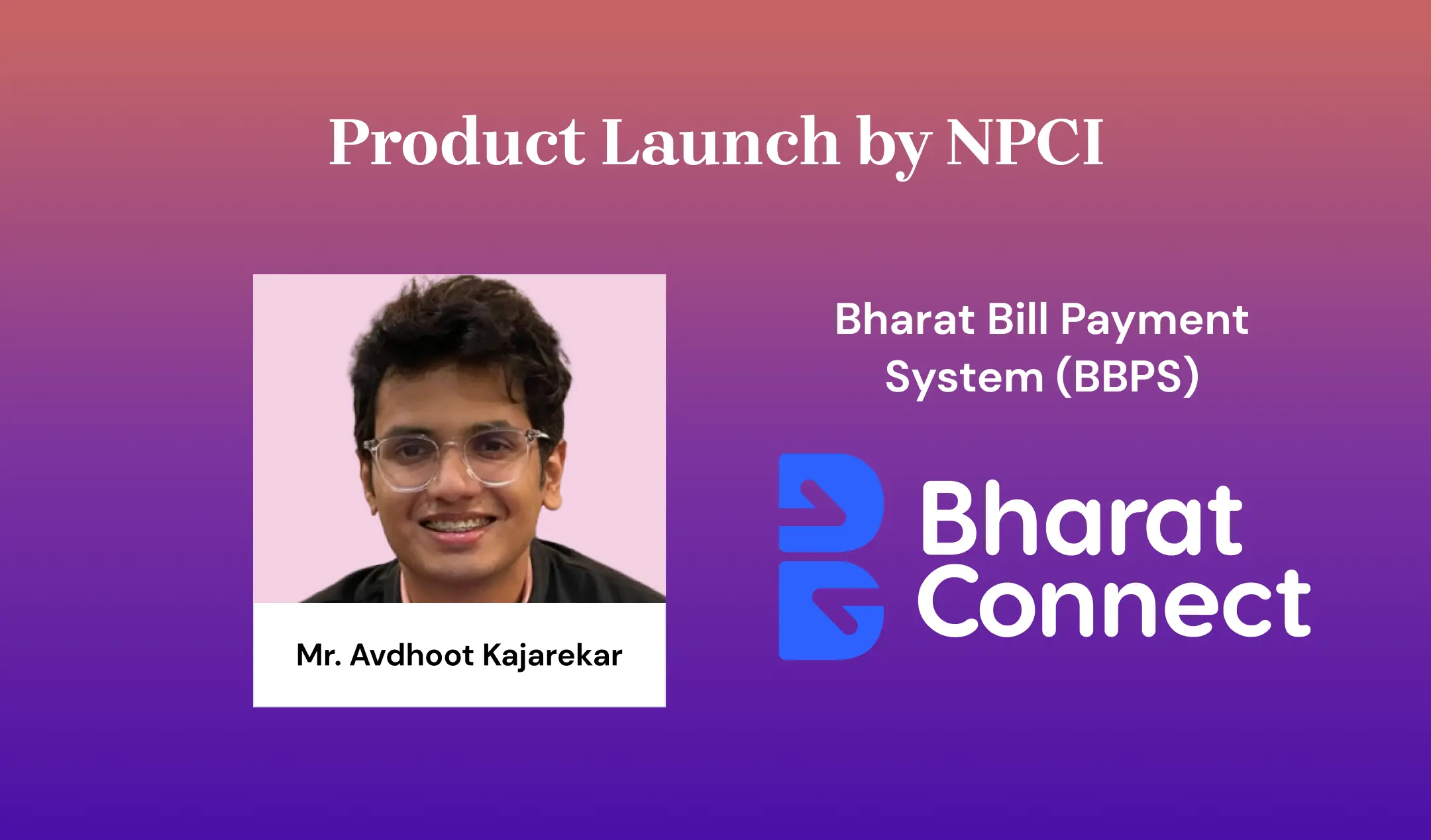
    Product launch by NPCI

    The National Payments Corporation of India (NPCI) recently unveiled an innovative set of ATM products under the newly renamed Bharat Bill Payment System (BBPS), now called Bharat Connect. This launch, which took place at the Global Fintech Fest 2024, marks a significant step in enhancing India’s payment infrastructure. Mr. Avdhoot Kajarekar, Lead UPI Product Development at NPCI, spearheaded the presentation, highlighting how these new products will streamline financial transactions and further India’s goal of creating a seamless, inclusive financial ecosystem.

    Key Highlights:

    1. Bharat Connect Rebranding: BBPS has been rebranded as Bharat Connect to reflect its broader role in India’s digital payment landscape, supporting a wider range of services and integration.
    2. ATM Product Launch: The newly introduced ATM products are designed to offer more convenient, efficient, and secure transactions, especially for rural and underserved areas, enhancing accessibility to financial services.
    3. Focus on Inclusivity: The launch emphasizes NPCI’s commitment to financial inclusion, ensuring that advanced payment systems are accessible to all, particularly in remote areas.
    4. Technological Advancements: The new products are equipped with cutting-edge technology to ensure faster, more reliable transactions, aiming to reduce transaction failures and improve customer experience.

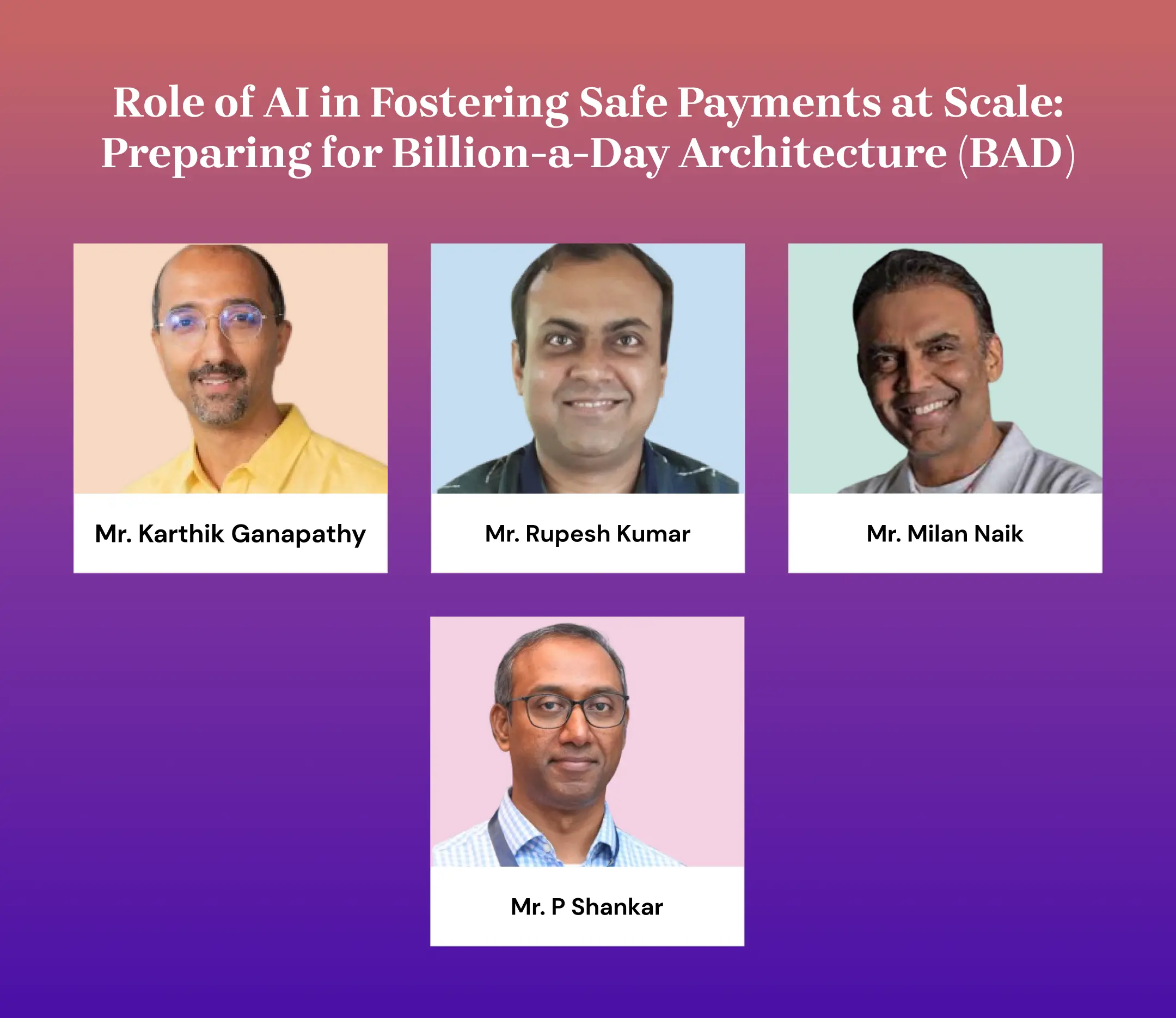
    Role of AI in Fostering Safe Payments at Scale: Preparing for Billion-a-Day Architecture (BAD)

    Role of AI in fostering safe payments at scale

    The session titled “Role of AI in Fostering Safe Payments at Scale: Preparing for Billion-a-Day Architecture (BAD)” explores the transformative potential of artificial intelligence in scaling and securing digital payment infrastructures. As the fintech industry continues to grow rapidly, the challenge of managing and protecting an enormous volume of transactions becomes increasingly critical. This discussion brings together industry leaders to delve into the ways AI can address these challenges and ensure the safe processing of billions of transactions daily.

    The panel features notable experts including Mr. Karthik Ganapathy, Co-founder & VP of Operations at Billdesk, Mr. Rupesh Kumar, Co-founder of FPL Technologies Pvt Ltd, and Mr. Milan Naik, Founder & CEO of Goals101. The session is hosted by Mr. P Shankar, CEO of FRS LABS, who will guide the discussion on the innovative applications of AI in payment systems.

    Key Highlights:

    1. AI-Driven Security: The speakers highlighted how AI can be leveraged to enhance the security of payment systems, ensuring that as transaction volumes scale, the infrastructure remains robust against fraud and cyber threats.
    2. Scalability Solutions: The discussion focused on how AI architectures are crucial for handling the massive scale of transactions expected in the future, particularly the “Billion a Day Architecture (BAD),” which aims to efficiently process a billion transactions daily.
    3. Operational Efficiency: AI’s role in improving operational efficiency was underscored, with examples of how machine learning algorithms can optimize transaction flows, reduce latency, and ensure seamless payment processing even during peak times.
    4. Real-Time Fraud Detection: The panel discussed advanced AI models that can detect and prevent fraudulent activities in real time, significantly reducing the risk of financial loss for both consumers and businesses.
    5. Future Outlook: The session concluded with predictions of AI in fintech, emphasizing the continuous evolution of AI technologies to meet the growing demands of the global financial system.

    Product Launch HDFC Bank – GIGA

    Product launch HDFC bank

    The session titled “Product Launch HDFC Bank – GIGA” at the Global Fintech Fest 2024 marks the introduction of a groundbreaking financial product designed specifically for India’s rapidly expanding gig economy. The GIGA product by HDFC Bank is a comprehensive financial solution aimed at addressing the unique needs of gig workers across the country. This launch demonstrates HDFC Bank’s commitment to supporting the gig economy, which plays a crucial role in India’s economic landscape.

    To ensure the success and reliability of the GIGA product, rigorous testing processes have been integral in its development. This comprehensive testing ensures that the product meets the highest standards of security, performance, and user experience, particularly given the diverse and dynamic nature of gig workers’ financial needs. By thoroughly testing the product across various scenarios, HDFC Bank aims to provide a seamless and robust financial solution that gig workers can rely on, further solidifying their role in this vital sector of the economy.

    Ms. Sunali Rohra, Senior Executive Vice President and Head of Government & Institutional Business, Start-ups & Gig Banking at HDFC Bank, will lead the session. She will provide insights into how this innovative product is poised to empower gig workers by offering tailored financial services, ensuring they have access to the resources needed to manage their finances efficiently.

    Key Highlights:

    1. Empowering the Gig Economy: HDFC Bank’s GIGA product is designed to cater to the specific financial needs of gig workers, offering them access to banking services that were traditionally not tailored for this segment.
    2. Customized Financial Solutions: The product includes a range of features such as tailored loans, insurance, and savings options that are customized to meet the irregular income patterns typical of gig workers.
    3. Digital Integration: Emphasizing digital-first approaches, GIGA integrates seamlessly with online platforms, making it easier for gig workers to manage their finances on the go.
    4. Access to Credit: One of the standout features of the GIGA product is the ease of access to credit, with simplified processes and faster approval times, specifically designed for gig workers who may not have a regular income stream.
    5. Financial Inclusion: The launch of GIGA underscores HDFC Bank’s commitment to financial inclusion, ensuring that the growing number of gig workers in India are not left behind in the financial ecosystem.

    Global Trends in Fintech: Innovation and Ecosystem Growth

    The session titled “Global Trends in Fintech: Innovation and Ecosystem Growth” at the Global Fintech Fest 2024 is a key discussion that brings together influential leaders from around the world to explore the latest trends driving the fintech industry. This panel discussion focuses on how innovation and the development of a robust fintech ecosystem are crucial for the growth of the global financial landscape.

    Speakers like Mr. Takeshi Kito, Co-founder & CEO of Elevandi Japan, Mr. Mattia Musetti, Business Development Adviser at Luxembourg for Finance, Mr. Leandro Santos, Senior Manager of Digital Payments for Emerging Markets at Amazon, and Mr. Reuben Lim, Chief Executive Officer of the Singapore Fintech Association, will share their insights and experiences. These experts will discuss the challenges and opportunities in the evolving fintech sector, highlighting the significance of collaboration and innovation in fostering a thriving ecosystem.

    The session will be hosted by Mr. Vipul Jain, a Partner at AZB & Partners, who will steer the conversation towards understanding the impact of global trends on fintech innovation and the strategies that can be employed to accelerate ecosystem growth.

    Key Highlights:

    1. Innovation as a Catalyst for Growth: The panel discusses how innovation is at the heart of fintech growth, with new technologies and business models driving the industry forward.
    2. Global Ecosystem Development: Insights are shared on the importance of building a strong global fintech ecosystem that supports startups, encourages collaboration, and fosters a culture of innovation.
    3. Challenges and Opportunities: The speakers highlight the challenges that fintech companies face in different regions, including regulatory hurdles and market entry barriers, while also discussing the immense opportunities available in emerging markets.
    4. Role of Associations: The discussion emphasizes the role of fintech associations and organizations in creating a supportive environment for fintech companies to thrive, through advocacy, networking, and resources.
    5. Future of Fintech: The panelists provide predictions on the future trends in fintech, including the increasing role of AI, blockchain, and decentralized finance (DeFi) in shaping the financial services industry globally.

    At Last but Not Least: A Key Panel Discussion on Cross-Border Payments

    At last but not least

    As the final session of Day 2 at the Global Fintech Fest 2024, the panel discussion titled “The Role of AI in Fostering Safe Payments at Scale: Preparing for Billion-a-Day Architecture (BAD)” brought together influential leaders to explore the integration of artificial intelligence in securing and scaling cross-border payments. The discussion was crucial in addressing how financial institutions and fintech companies can leverage AI to manage the increasing volume of transactions, ensuring safety and efficiency in cross-border payments.

    Speakers like Mr. Hare Krishna Jena, Managing Director at The Clearing Corporation of India Ltd., Mr. Venkataramani Prakash, Senior Director of Payments at Flywire, Mr. Indraneel Pandit, Chief Digital Officer at The Federal Bank Ltd., and Mr. Philip Glickman, Managing Director for International at In, shared their insights and experiences. These experts discussed the challenges and opportunities in the evolving fintech sector, highlighting the significance of collaboration and innovation in fostering a thriving ecosystem.

    The session was hosted by Mr. Amit Pansare, Head of Digital Alliances at Yes Bank, who guided the conversation towards understanding the impact of AI on cross-border payments and the strategies that can be employed to ensure scalability and security in this rapidly growing area of financial technology.

    Key Highlights:

    • AI-Driven Scalability: The discussion emphasized the need for AI-powered solutions to handle the growing volume of global transactions, focusing on how AI can help manage the complexities of cross-border payments efficiently.
    • Ensuring Safety in High-Volume Transactions: Speakers highlighted the critical role of AI in identifying and mitigating risks associated with high-volume transactions, ensuring that as the number of payments increases, so does the security and reliability of the systems handling them.
    • Preparing for the Future: The concept of “Billion a Day Architecture” (BAD) was introduced, discussing how financial systems must evolve to handle the anticipated increase in daily transactions as digital payments continue to grow globally.
    • Insights from Industry Leaders: The panel included experts like Mr. Hare Krishna Jena, Managing Director at The Clearing Corporation of India Ltd., and Mr. Venkataramani Prakash, Senior Director of Payments at Flywire, who shared their experiences and insights on the challenges and opportunities presented by the evolving landscape of cross-border payments.
    • Regulatory Perspectives: The session also touched on the importance of aligning with regulatory requirements to ensure that the implementation of AI in payment systems not only enhances efficiency but also complies with global standards and practices.

    Reflections on Day 2 at the Global Fintech Festival: A Day of Insights, Connections, and Innovation

    Day 2 of the Global Fintech Festival on August 29, 2024, was marked by profound engagement and learning. Throughout the sessions, we had the privilege of connecting with some of the brightest minds in the fintech industry, whose insights and experiences left a lasting impact on us at Alphabin. Our discussions with founders, CEOs, and industry leaders not only provided new perspectives but also reaffirmed our role in pioneering fintech automation and rigorous software testing.

    These interactions were incredibly enriching, offering us fresh ideas and strategies that we were eager to incorporate into our ongoing and future projects. At Alphabin, our focus had always been on ensuring that digital finance platforms were secure, efficient, and ready for the challenges of tomorrow. Our advanced testing services played a crucial role in the success of past projects, where we identified and resolved critical issues before they could impact the end users. Whether it was testing for scalability, security vulnerabilities, or user experience, we consistently delivered solutions that exceeded expectations.

    The enthusiastic feedback we received from our peers confirmed that we were on the right path, driving innovation and setting new standards in the industry. As the fintech landscape continued to evolve, companies looking to build advanced financial products could count on Alphabin to provide comprehensive testing solutions that ensured their products were market-ready. From initial development to final deployment, our testing expertise helped mitigate risks, ensuring that new FinTech products were robust, reliable, and ready to meet the demands of a fast-paced market.

    What added a special layer of excitement to the day was the anticipation of the grand finale on August 30, 2024. The buzz around the venue was palpable as everyone eagerly awaited the arrival of Shri Narendra Modi, the Prime Minister of India, at the festival. His presence was expected to bring a surge of energy and inspiration, highlighting the importance of fintech in India’s growth story. The entire event was abuzz with excitement, as attendees looked forward to what promised to be a memorable conclusion to an already impactful festival.

    As we reflected on Day 2, the connections we made and the knowledge we gained energized us for the future. We left the day with a renewed sense of purpose, ready to continue our mission of pushing the boundaries of what’s possible in fintech. With the grand finale just around the corner, the anticipation was building, and we were more motivated than ever to be part of the innovation and progress that defined this dynamic industry.

  • GFF24 Day 1: How Automation Testing is Changing FinTech

    GFF24 Day 1: How Automation Testing is Changing FinTech

    The fifth edition of the Global Fintech Fest has officially begun at the well-known Bandra Kurla Complex in Mumbai. This three-day event is celebrated as one of the largest fintech festivals in the world, attracting leaders, experts, and enthusiasts from every corner of the globe. The festival is packed with sessions on the latest trends in financial technology, exciting product launches, and the announcement of new partnerships that could play a significant role in shaping the future of the industry.

    GFF

    Among the many innovators at the event, Alphabin has emerged as a standout in fintech automation. Known for its top-notch automation tools, Alphabin is demonstrating how its technology is changing the way financial processes work. Their solutions are designed to make things run smoother, reduce mistakes, and help financial institutions embrace digital transformation. 

    Alphabin expertise in Fintech testing is turning heads at the Global Fintech Fest! With cutting-edge AI and machine learning, we’re pushing the boundaries of fintech by ensuring every application we test is secure, fast, and ready for the future. Our innovative approach is capturing the attention of industry leaders, who recognize us as key players in driving the next wave of digital finance innovation.

    The excitement was palpable from early in the morning. BKC was fully packed and even covering 1 km distance was showing 1hr long on maps, so many delegates came to attend this wonderful event.

    By 10 a.m., long lines had formed as attendees eagerly waited to collect their entry passes from the sub-ground level. Even though passes had been available for collection 48 hours before the event, the anticipation drove a large crowd to the venue on the first day. The venue had to deploy extra staff to manage the crowd, especially on the escalators, highlighting the huge interest and enthusiasm surrounding this event.

    The rush of people continued well into the afternoon, showing just how much energy and anticipation there was for the days ahead. With so many participants gathered, the Global Fintech Fest is set to be a truly remarkable event, offering countless opportunities to learn, network, and witness the future of financial technology unfold.

    Key Insights from Leading Speakers

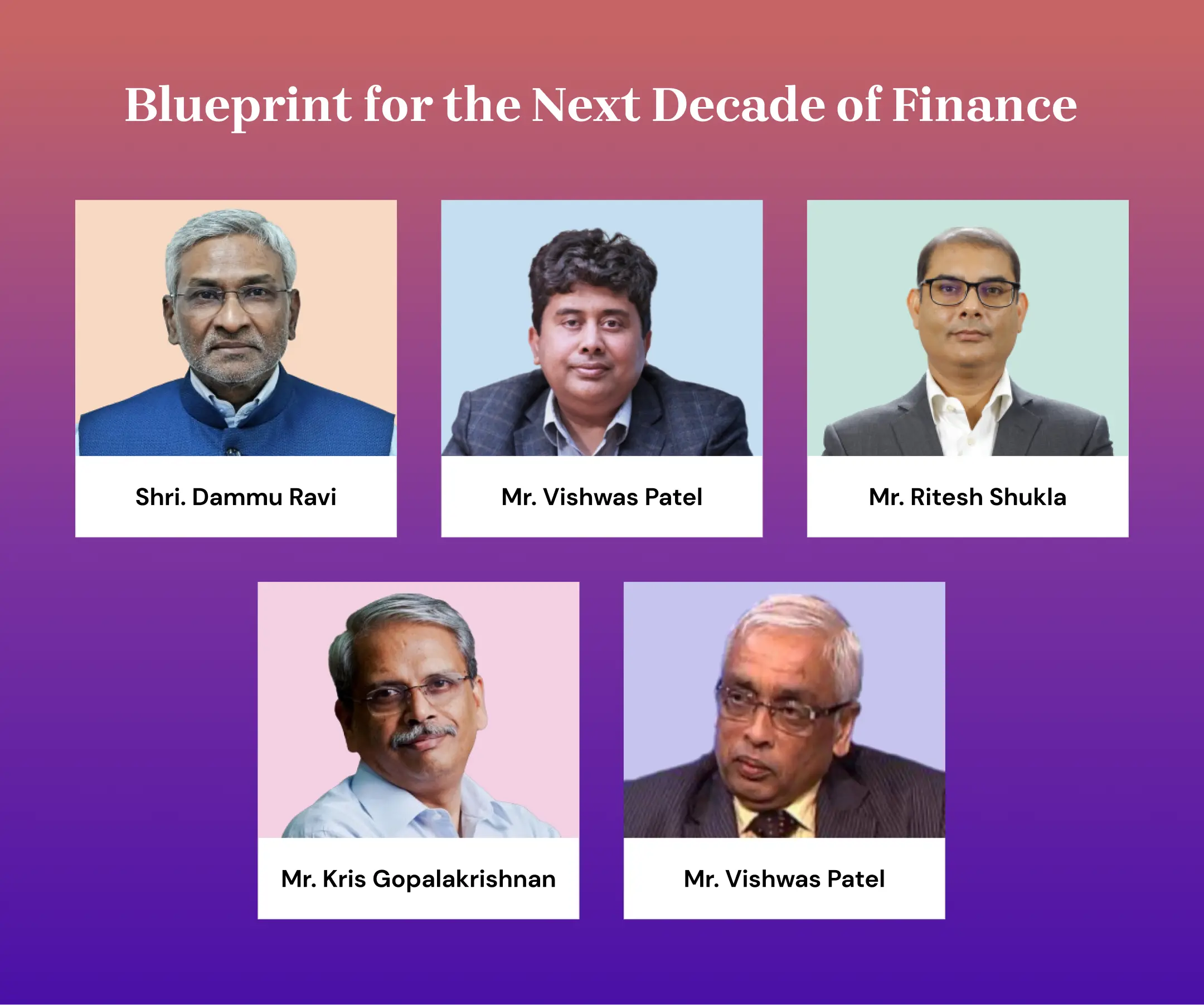
    Blueprint for the Next Decade of Finance

    The opening session of the Global Fintech Fest 2024, titled “Blueprint for the Next Decade of Finance,” set a visionary tone for the event. Industry leaders and government officials came together to discuss the future of financial technology, emphasizing the importance of collaboration, innovation, and regulatory support. 

    Shri. Dammu Ravi highlighted India’s role in leading digital payments on the global stage, while Mr. Vishwas Patel and Mr. Ritesh Shukla delved into the advancements and challenges in cross-border payments. Mr. Kris Gopalakrishnan shared insights on the transformative impact of emerging technologies like AI and blockchain, and Mr. G Padmanabhan provided a balanced view on regulation and the evolving role of central banks. Together, these discussions laid a strong foundation for the future of fintech.

    Opening Session: Blueprint for the Next Decade of Finance

    Shri. Dammu Ravi – Secretary (Economic Relations), Ministry of External Affairs, Government of India

    • Government’s Role in Fintech Growth: Stressed the need for strong international economic relations to support fintech innovation.
    • Regulatory Frameworks: Highlighted the importance of regulations that balance innovation with financial stability.
    • India’s Leadership in Digital Payments: Positioned India as a global leader in digital payments, emphasizing the vast global opportunities this leadership brings.

    Mr. Vishwas Patel – Joint Managing Director, Infibeam Avenues

    • Advancements in Digital Payments: Discussed how digital payment technologies are revolutionizing commerce.
    • Global Scaling Challenges: Addressed the hurdles and opportunities in scaling digital payments globally.
    • Seamless Cross-Border Transactions: Provided insights into how fintech companies can facilitate smooth international transactions.

    Mr. Ritesh Shukla – Chief Executive Officer, NPCI International Payments Limited (NIPL)

    • NPCI’s Global Expansion: Highlighted the international growth of NPCI’s payment systems.
    • Interoperability in Payments: Emphasised the critical role of interoperability in global payment systems.
    • Roadmap for Cross-Border Payments: Shared plans for enhancing financial inclusion through cross-border payment facilitation.

    Mr. Kris Gopalakrishnan – Chair, GFF2024, Co-founder of Infosys

    • Future Tech Trends in Finance: Discussed the impact of AI, blockchain, and big data on the future of finance.
    • Collaboration in Fintech: Called for greater collaboration between fintech startups and traditional financial institutions.
    • Vision for Fintech Evolution: Outlined how the fintech industry can drive economic growth over the next decade.

    Mr. G Padmanabhan – Former Executive Director, Reserve Bank of India, Ex-Chairman, Bank of India

    • Regulatory Insights: Provided a balanced view on innovation and risk management in the fintech space.
    • Central Banks and Fintech: Discussed how central banks can adapt to the rapidly evolving fintech landscape.‍
    • Digital Currencies and Future Banking: Explored the potential of digital currencies and the shift toward digital-first banking.

    {{cta-image}}

    How Fintech can Comply with Existing Fintech Regulations and Become Cyberproof

    Now, let’s turn our attention to an insightful panel discussion happening in Hall 104 A&B. Which delves into the crucial topic of “How Fintech can comply with existing Fintech regulations and become Cyberproof.” With prominent industry leaders like Mr. Sanket Sarkar and Mr. Suresh Rajagopalan leading the conversation, this discussion promises to provide valuable insights into the evolving landscape of fintech regulations and cybersecurity. Hosted by Mr. Benjamin Ambrose, this is a must-attend session for anyone looking to stay ahead in the fintech world.

    Mr. Sanket Sarkar (founder and CEO at ZERON): focused on how startups should prioritize understanding and adhering to financial regulations to ensure sustainable growth. He emphasized that compliance is not just a legal necessity but also a competitive advantage in building trust with customers.

    Mr. Suresh Rajagopalan(Chief Executive Officer at Wibmo):  shared insights on implementing effective cybersecurity measures, highlighting the importance of protecting customer data and transactions. He discussed the integration of security protocols in fintech operations to meet regulatory standards and prevent cyber threats.

    Technological Advancements by TSPs Supporting BBPS Expansion

    Technological Advancements by TSPs Supporting BBPS Expansion

    Now, let’s dive into the masterclass happening from on 28 August 2024, where industry leaders will explore “Technological Advancements by TSPs Supporting BBPS Expansion.”

    The session features Mr. Nikhil Kumar, Co-founder & Chief Evangelist at Setu, and Ms. Anushka Patel, Chief Operating Officer at BillAvenue, Infibeam Avenue.

    They will discuss the latest technological innovations that are driving the expansion of the Bharat Bill Payment System (BBPS), focusing on how these advancements are transforming the payments landscape.

    Mr. Nikhil Kumar (founder & Chief Evangelist, Setu)

    • Discussed how Setu is leveraging advanced technologies to enhance the Bharat Bill Payment System (BBPS).
    • Emphasized the importance of seamless integration and user-friendly platforms for improving the digital payments ecosystem.

    Ms. Anushka Patel (Chief Operating Officer, BillAvenue, Infibeam Avenue)

    • Highlighted Bill Avenue’s role in scaling the BBPS infrastructure across India.
    • Focused on the operational strategies that ensure secure, efficient, and widespread adoption of BBPS services.

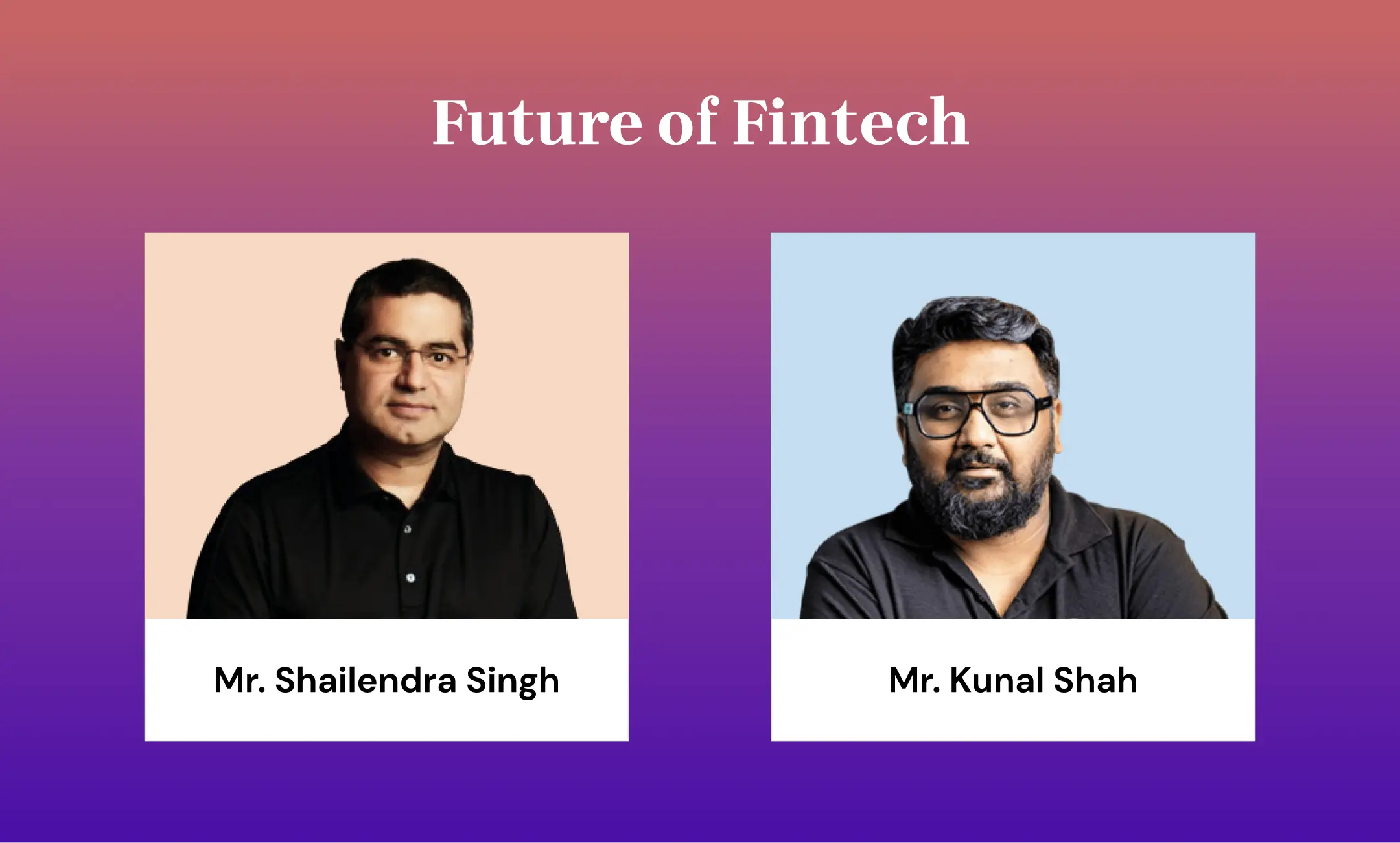
    Future of Fintech 

    Future of Fintech

    Let’s now look at an exciting trialogue session titled “Future of Fintech” the session features Mr. Shailendra Singh, Managing Director at Peak XV, and is hosted by Mr. Kunal Shah, Founder of CRED. They will delve into the evolving fintech ecosystem, exploring the future of fintech businesses and how emerging trends are shaping the industry.

    Mr. Shailendra Singh (Managing Director, Peak XV)

    Fintech Ecosystem Evolution: He highlighted the rapid changes in the fintech ecosystem, emphasizing the role of technology in driving innovation and efficiency.

    Business Models: He talked about emerging business models that are redefining the way financial services are delivered, focusing on user-centric approaches.

    Future Trends: He provided insights into future trends, such as the increasing adoption of AI and blockchain, and how these will impact the financial landscape.

    HDFC Smart Gateway Launch

    At the HDFC Smart Gateway Launch, held from 3:00 PM to 3:30 PM on 28 August 2024, key insights were shared about the new payment solution. Mr. Rajanish Prabhu, EVP of HDFC Bank, discussed the innovative features of the HDFC ‘Smart Gateway,’ which is designed to simplify payments for new-age businesses. Mr. Sheetal Lalwani, COO of Juspay, hosted the session, emphasizing how this partnership aims to enhance payment processing efficiency for merchants, making transactions smoother and more secure.

    Mr. Rajanish Prabhu (EVP, HDFC Bank):

    • Introduced the HDFC ‘Smart Gateway’ as a cutting-edge payment solution designed to simplify payments for businesses.
    • Emphasized the gateway’s ability to enhance transaction efficiency, making it easier for merchants to process payments.
    • Highlighted the seamless integration of the gateway with existing business systems, ensuring minimal disruption and maximum utility.
    • Stressed the security features of the gateway, ensuring that transactions are not only smooth but also highly secure.

    Mr. Sheetal Lalwani (COO, Juspay):

    • Discussed the strategic partnership between HDFC and Juspay in developing the Smart Gateway.
    • Explained how the collaboration leverages Juspay’s technology to create a robust and user-friendly payment platform.
    • Focused on the user experience, emphasizing that the gateway is designed to meet the needs of new-age businesses.
    • Highlighted the importance of security in the design, ensuring that merchants and customers can trust the system for secure transactions.

    FinTech Innovations for India@100: Shaping the Future of India’s Financial Landscape

    Fintech Innovation for India

    Now, let’s eagerly turn our attention to the remarkable Shri. Shaktikanta Das, Governor of the Reserve Bank of India, is set to share his visionary insights on the future of India’s financial landscape. His perspective will undoubtedly shape the way we think about fintech innovation as India moves toward its centennial milestone. Prepare to be inspired by the transformative ideas that will be discussed in this keynote session!

    He emphasized the need for innovation in financial services to drive inclusion and economic growth. Mr. Kris Gopalakrishnan, Chair of GFF2024, moderated the discussion, focusing on the ecosystem and innovations necessary for India’s financial future.

    Before diving into the specifics, Shri. Shaktikanta Das highlighted two major innovations that are set to significantly propel India’s digital payment ecosystem forward. These two applications—Bharat BillPay for Business and UPI Circle—are not just incremental updates; they are transformative tools designed to enhance the efficiency, security, and inclusivity of financial transactions across the country. These innovations are poised to play a crucial role in India’s journey toward becoming a global leader in digital payments.

    Bharat BillPay for Business: Shri. Shaktikanta Das introduced this groundbreaking platform that simplifies B2B payments across India. It’s a game-changer, bringing automation, standardization, and efficiency to businesses of all sizes with features like invoice management, automated reminders, and guaranteed settlement. This is a monumental leap towards digitizing and streamlining the nation’s business transactions!

    UPI Circle: He also unveiled the UPI Circle, a revolutionary feature that empowers users to delegate payment responsibilities to trusted secondary users. Imagine linking up to five trusted partners who can manage transactions on your behalf—either fully or partially—within predefined limits! This feature ensures greater flexibility and control in managing payments, making UPI more versatile than ever.

    These innovations underscore India’s unstoppable momentum in the digital payment space, driving inclusivity, security, and a superior user experience. Prepare to witness a transformed financial landscape that’s more dynamic, secure, and accessible for everyone!

    Connecting with Industry Leaders: A Day of Insightful Conversations and Shared Innovations

    Global Fintech Fest 2024!

    During the Global Fintech Festival, we had the chance to meet with numerous influential individuals, each offering unique insights and experiences. However, connecting with Jeremy Wilmot & Martin McCann was particularly impactful. We engaged in deep discussions, sharing knowledge that truly resonated with us and aligned with our mission at Alphabin.

    These interactions were not only enriching but also provided us with new perspectives and ideas to integrate into our ongoing projects. Meeting such visionary leaders was a highlight of our experience at the festival.

    At the Global Fintech Festival, Alphabin had the privilege of personally meeting with numerous industry experts, where we shared our organization’s mission and current endeavors. We discussed how Alphabin is deeply involved in testing cutting-edge technologies and managing several ongoing projects that are set to make a significant impact in the fintech space. 

    It was a fantastic opportunity to showcase our work, exchange ideas, and reinforce our commitment to driving innovation and excellence in every project we undertake. The enthusiasm and interest shown by others in our work were truly encouraging, and we left the event feeling more connected and inspired than ever before.

    As the Global Fintech Festival drew to a close, I found myself reflecting on the incredible experiences and knowledge shared throughout the day. The opportunity to meet with so many thought leaders and innovators was nothing short of inspiring. Each conversation was a deep dive into the future of fintech, with experts sharing their experiences and insights that left a lasting impact.

    I was particularly struck by the openness with which everyone shared their successes, challenges, and visions for the future. It was a reminder of the power of collaboration and the importance of learning from one another in this rapidly evolving industry. The diverse perspectives and innovative ideas exchanged were not only enlightening but also energizing, reinforcing my belief in the potential of technology to transform the financial landscape.

    The day was not just about absorbing information; it was about building connections that will continue to inspire and influence my work long after the event. Alphabin commitment to pushing the boundaries of innovation in software testing and fintech automation was evident in every discussion. Our expertise in rigorous software testing ensures that digital finance platforms are not only secure and efficient but also robust and scalable. This festival has been a testament to the dynamic and collaborative spirit that drives our industry forward.

  • GFF 2024: Alphabin’s Role in Shaping the Future of FinTech

    GFF 2024: Alphabin’s Role in Shaping the Future of FinTech

    Are you ready to explore the future of finance? The countdown to the Global Fintech Festival (GFF) 2024 has officially begun, and the excitement is building up! As the world’s most innovative thinkers in finance and technology get ready to come together at this major event, this year’s GFF isn’t just a conference; it’s the center of innovation where the next wave of digital finance breakthroughs will be revealed.

    As we stand on the brink of a new era in financial technology, GFF 2024 is set to be the ultimate platform for witnessing groundbreaking transformations. Over 3 Days, attendees will explore 11 Stages filled with 350+ Sessions, 100+ Product Launches, and insights from 800+ Speakers. With 80,000+ Expected Footfall and 300+ Exhibitors, whether you’re passionate about blockchain, AI-driven financial services, or digital currencies, this event promises a powerhouse of ideas, collaborations, and opportunities.  

    At Alphabin Technology, we’re not just attending—we’re leading. With our fintech testing expertise, we’re showcasing solutions that ensure the reliability, security, and performance of the latest technologies. Join us as we connect with industry leaders and shape the future of digital finance.

    The Significance of Global Fintech Fest 2024

    The Global Fintech Fest has quickly risen to become one of the premier global events in the fintech space. As the industry evolves at breakneck speed, with digital currencies, blockchain technologies, AI-driven financial services, and open banking leading the charge, GFF 2024 offers a unique opportunity to engage with these trends up close. The event promises to be a gathering of ideas where the smartest minds in the industry will share insights, discuss challenges, and shape the future of financial innovations.

    Alphabin Technology is proud to be an active participant in this vibrant ecosystem. We believe that the future of finance is digital, decentralized, and driven by technology—and the GFF is the ideal platform to showcase our commitment to these ideals.

    Why Alphabin Technology is Attending GFF 2024?

    At Alphabin Technology, we have always been at the cutting edge of fintech innovation. Our mission is to reshape the financial world by using technology to deliver seamless, secure, and scalable solutions for our clients. We don’t just innovate—we ensure that every new feature is thoroughly tested and ready for real-world use. By attending GFF 2024, we’re excited to:

    1. Networking with Industry Leaders: GFF 2024 offers a unique opportunity to connect with other industry leaders, potential partners, and innovators. We’re eager to engage in conversations that could lead to groundbreaking collaborations in the fintech space.
    2. Staying Ahead of Trends: The fintech testing industry is constantly evolving. Attending GFF 2024 allows us to stay informed about the latest trends, regulatory changes, and technological advancements, ensuring we continue offering our clients cutting-edge solutions.
    3. Driving Innovation: GFF 2024 is a hub of ideas and inspiration. We’re excited to contribute to the dialogue and learn from others, fueling our innovation and pushing the boundaries of what’s possible in digital finance.
    4. Showcasing Leadership: Being present at GFF 2024 underscores our commitment to leading in the fintech industry. It’s an opportunity to demonstrate our role in shaping the future of finance and solidifying our position as a key player in the industry’s growth.

    Why do you need to attend GFF 2024?

    This year’s GFF is set to be the largest yet, drawing thousands of attendees from around the world. The event will offer a wide range of sessions, including keynote speeches, panel discussions, workshops, and live demonstrations. Topics will cover everything from the latest advancements in digital currencies to the future of AI in finance and the impact of regulatory changes on the industry.

    Some of the most influential voices in the fintech world will be speaking at GFF 2024, including Ashwini Vaishnaw, Shaktikanta Das, Dr. Florian Toncar, Madhabi Puri Buch, and Nandan Nilekani. Their insights will provide valuable perspectives on the future of the industry.

    Alphabin Technology will be prominently featured throughout the event. We’ll be participating in key discussions, showcasing our innovations at our booth, and engaging with other attendees through various networking opportunities. We’re particularly excited about our involvement in a panel discussion on the role of AI in enhancing financial security—an area where we’ve made significant strides.

    Alphabin Technology: Empowering Your Vision for the Future of Fintech

    As we gear up for GFF 2024, we’re more committed than ever to driving innovation in the fintech space. The future of finance is one where technology and trust go hand in hand, and we’re working tirelessly to build solutions that reflect this vision. From enhancing the security of digital transactions to making financial services more accessible to all, our focus is on creating a more inclusive and efficient financial ecosystem.

    The Global Fintech Fest 2024 is not just an event; it’s a movement. It’s where the future of finance is being shaped, and Alphabin Technology is proud to be leading the charge. We invite you to join us on this exciting journey—let’s shape the future of digital finance together.

    Why GFF 2024 Matters to the Fintech Community

    Global Fintech Fest 2024 is more than just a conference—it’s the pulse of the fintech industry. With sessions covering everything from the latest in blockchain technology to new regulations affecting the sector, GFF 2024 offers invaluable insights for anyone involved in finance and technology.

    For Alphabin Technology, this event is an opportunity to showcase our commitment to excellence and innovation in fintech testing. It’s also a chance to engage with the broader fintech community, share knowledge, and build partnerships that will drive the industry forward.

    Meet Us at GFF 2024

    As we gear up for the Global Fintech Festival 2024, the excitement and anticipation are palpable. This event is more than just a gathering; it’s a pivotal moment in the evolution of financial technology. At Alphabin Technology, we are incredibly proud to be part of this journey, pushing the boundaries of what’s possible in digital finance and shaping the future of the industry.

    But what about you? Are you ready to be part of this revolution? Whether you’re an industry veteran looking to stay ahead of the curve, a startup eager to make your mark, or simply passionate about the future of finance, GFF 2024 offers an unparalleled opportunity to connect, learn, and innovate. This is where the future is being created, and your voice, ideas, and enthusiasm are what will drive it forward. We can’t wait to see what we’ll achieve together—let’s make history at GFF 2024!

    Are you ready to join us and take your place at the forefront of fintech innovation? Visit us at GFF 2024 and let’s make the future happen together.

  • Why QA Agencies Are Essential for FinTech App Testing

    Why QA Agencies Are Essential for FinTech App Testing

    The Financial Technology (FinTech) sector is rapidly growing, redefining how we manage money. With the global market projected to reach $2 trillion by 2030, FinTech applications handle our most precious asset—money. These apps manage sensitive financial data and transactions, requiring top-notch security and reliability. Even minor glitches can erode user trust, causing financial losses and damaging reputations.

    Let’s look at a real example: RapidTrade, a FinTech startup offering a stock trading app. They were excited to launch their app. But their internal testing focused mainly on making sure the features worked correctly. They missed a crucial security flaw. Which could have resulted in a data breach and financial losses for their users.

    This is where a reliable Quality Assurance (QA) agency steps in as your guardian of trust. By employing rigorous testing methodologies, QA agencies act as a safety net, ensuring your FinTech app is robust, secure, and compliant with regulations. Like RapidTrade saved by the QA agency, They brought a specialized QA agency on board to conduct comprehensive testing and they found out the critical bug that allowed unauthorized access to users accounts under specific circumstances. This built trust and confidence, leading to a successful app launch and positive user reviews.

     Let’s delve deeper into how a dedicated QA partner empowers your Fintech application to succeed.

    Ensuring Regulatory Compliance

    FinTech application operate in a world of rules and regulations. Just like lending firms need to follow strict guidelines to protect your data and ensure fair lending practices, FinTech application also have to comply with these regulations.

    Conducting Compliance Testing: Since QA agencies are conscientiously involved with legal frameworks, they are always familiar with policies like GDPR, PCI DSS, SOC and SOC ll, and AML/KYC. While they can offer continuous compliance testing to prove your application meets these standards, they may not. Now let’s analyze these categories and subcategories in detail.

    • GDPR Compliance
      ‍
      Protecting EU residents’ identity through intercepting legal data protection and privacy standards in processing personal data.‍‍
    • PCI DSS Compliance
      Evaluating measures that need to be taken to ensure security of credit card transactions and the reliability of data that relates to holders of credit cards.‍‍
    • AML/KYC Compliance
      ‍
      The measures that need to be included in the overall scheme are: procedures of customer identification and verification; understanding customer transactions and behavior analysis; and the measures to report possible suspicious activities.‍‍
    • SOC, SOC II
      ‍
      SOC ensures control over financial reporting and SOC ll has mainly focused on security, privacy, integrity, and processing.
    • Maintaining Audit Trails
      They assist in keeping records and tracking progress, as well as keeping extensive records, something that is helpful in the case of registering with a regulatory body.

    Let’s take a real example for better understanding:

    The Paytm Payment Bank was closed on March 15, 2024. The Reserve Bank of India (RBI) ordered the closure of the account due to non-compliance with KYC regulations and other necessary processes. The RBI was prompted by worries about money laundering and dubious transactions involving hundreds of crores of rupees between Paytm wallet and its obscure banking division. An analyst estimates that there are roughly 35 crore e-wallets held by Paytm Payments Bank. Of these, roughly 4 crores would be operational with either no balance or a minor balance, and about 31 crores would be dormant as these dormant accounts are prone to have been used as mule accounts.

    Enhancing Security

    In the case of FinTech applications, privacy is a significant consideration since it is an area that contains highly sensitive information. The QA agency can enhance your application’s security by:

    • Security testing
      It is one of the most important testing, any application that involves financial data such as a FinTech application involves a lot of security. It involves scanning the implemented security features in the application to determine areas of weakness, avenues for attacks by hackers, etc.
    • Penetration Testing
      Focusing on training the computer in order to recognize the security vulnerabilities in the system by using realistic hacker scenarios. A penetration tester tries to take advantage of these openings to understand the kind of defense system the application has with a view of giving as many details as possible concerning the weak link as well as details of the firm that may be used to shore up the program. Penetration testing helps to identify and address potential security issues in your application.
    • Vulnerability Assessment
      ‍
      Vulnerability Assessment can be defined as an assessment process to define the kinds of threats an organization has within a certain system, network or application, as well as the magnitude of harm that can be augured from the threats identified within the given duration of the assessment. It is a type of security testing that is critical for an organisation to know its security status, with being conquered by attackers with bad intentions.

    Improving Performance and Scalability

    FinTech applications are used in the management of large volumes of transactions and usage that need to be controlled and processed.

    • Load Testing
      QA agencies utilize load testing to observe the quality and functionality of the application when used intensively. This helps to better understand such issues as slow database queries or poorly produced pieces of code and to ensure smooth operation of the application when the expected number of users is reached. For example, mostly you have observed that the bank applications are down at midnight and that’s because their internal team might be performing various tests at that time.
    • Stress Testing
      They go as far as finding the behaviors of the application at extreme service conditions as if it were in operation. This also provides a useful guideline in figuring out the maximum number of users to accommodate and where and when the system may begin to falter, necessitating adjustments to head off a collapse under increased traffic.
    • Optimizing Code and Queries
      QA agencies analyze the code and the queries for the databases to enhance the time that takes to respond to a query. This includes recompiling or rewriting large, slow-running programs, creating indexes for databases, and storing much-used data.‍
    • Scalable Architecture Design
      QA agencies help define the concepts of architecture that will allow the building of a base on which more users can be accommodated. They are able to scale resources with things like microservices, load balancers, and cloud solutions that can easily be incorporated.

    Enhancing User Experience

    For any FinTech application, the user interface needs to be smooth and easy to manage so that people do not face any confusion while they are using the particular application. QA agencies are pivotal in the enhancement of various interlinkage with techniques and testing in order to have an efficient structure whereby the users would not feel that the application is an arduous one but rather an enjoyable one.

    • Usability Testing
      • User Testing: Recruiting actual users to use the application, watching how they act while using the application, and seeing their input. This helps to find out the problems, some aspects which may be confusing for the user, as well as the problems which the user encounters, thus, this will help to localize areas which need to be improved.‍
      • Heuristic Evaluation: People having low levels of computer literacy also face many problems using this application while postgraduate faculties and working executives can use this application effectively. This is a rapid approach to identifying problematic views and defining guidelines for their improvement.
    • Accessibility Testing
      Promoting accessibility should be the goal of organizations and governments as it is a way to include everyone. QA agencies ensure that their FinTech applications are built under the WCAG (Web Content Accessibility Guidelines) so that users with disabilities can access the application easily.‍
      • Screen Reader Compatibility
        ‍
        Ensuring that visually impaired users gain maximum benefits from the application involves testing the chosen application to screen readers to optimize the application for the visually impaired users.
    • User Interface Optimization
      • Consistent Design: Some of the crucial requirement of compliance are as follows – Ensuring that there are no size inconsistencies across the application: This is a core aspect of designing a software application and entails making sure that all objects displayed on the screen have a scalable typeface which does not distort its size when resized to match with its size across the application. This includes uniform font type used in mensuration, color combination, and buttons used in application since they familiarize and give comfort to the users.‍
      • Responsive Design: Ensuring that users can enjoy the service and its utility on any device and screen size they desire. QA agencies use an application on various devices in sequence to guarantee smooth running and standardized experience delivery to all users.
    • Performance and Reliability
      • Optimize Load Times: Make sure a page, as it consists of a limited amount of content, will load as fast as possible and with minimal issues. ‍
      • Ensure Reliability: To be effective there should be extensive testing to overcome the problem by finding out the bugs and make the application more stable and to run smoothly without fail.

    Ensuring Functional Accuracy

    Both macro and micro processes of FinTech applications perform operations that need to work perfectly. QA agencies ensure functional accuracy by:

    • Automated Functional Testing with AI leverage: To check that newly developed capabilities do not interpose with the former ones, they engage in regression testing with the help of automated testing tools. QA agencies can utilize AI along with Automation testing to automatically create smart scripts for testing the functions of the application, which can further be altered by it, and for performing performance testing, AI-driven tools can mimic the reality, meaning high numbers of user volume, and help in pinpointing out the flaws of the application and for guaranteeing optimal performance of the application.
    • Manual Testing: Since they are letting a skilled QA tester analyze the information manually, it has to be precise and reliable for financial transactions or any kind of intricate workflow.

    Cost Efficiency

    To learn more about the advantages of engaging a QA agency, it is necessary to highlight that it is even more beneficial than hiring a team of in-house QA specialists. Benefits include:

    • Scalable Resources: QA agencies give considerable advantages of flexibility and scalability because you can adjust your testing up and down as circumstances change.
    • Access to Expertise: By outsourcing, you can enjoy a vast pool of tested and skilled workers with deep knowledge of FinTech testing, which will help you save a lot of money on training your employees with the necessary skills.

    Conclusion

    Outsourcing the Software testing to a dedicated QA agency makes more sense, as they have experience working with various FinTech applications, and their internal strong knowledgebase plays very important role to your FinTech application success.

    When it comes to FinTech application testing, partnering with a specialized QA expert like Alphabin makes all the difference. With our extensive experience and strong knowledgebase in FinTech, we bring a level of expertise that sets us apart from others. Our team of seasoned QA engineers has a deep understanding of the complexities and nuances of FinTech applications, ensuring that your project receives the highest level of quality assurance. Notably, we have had the privilege of partnering with India’s largest private bank to test their FinTech applications, leveraging automation to ensure seamless functionality and unparalleled security. This experience has further honed our expert QA tester, enabling us to provide unparalleled testing services to our clients.

  • Top 7 Fintech App Testing Strategies for 2024

    Top 7 Fintech App Testing Strategies for 2024

    The FinTech industry has had an unparalleled upswing in 2024, with a noteworthy annual growth rate of 20%. This boom is driven by the adoption of blockchain, AI, and IoT, which have revolutionized how consumers interact with mobile payments, peer-to-peer lending, robo-advisors, and cryptocurrency exchanges.

    The demand for creative testing techniques is greater than ever as FinTech apps are becoming increasingly complex and essential for financial operations. In an environment that is always changing and combining modern innovations like voice payments, blockchain, and open banking, traditional testing techniques might not be adequate.

    What is fintech app testing?

    Fintech App testing is a quality assurance process for applications in the financial technology sector. It involves strict verification and validation of the app’s functionality, security, usability, and compliance with financial regulations. The goal is to deliver a reliable and user-friendly app that people of various age groups can use without the fear of security attacks.

    Core fintech app testing types

    • Security testing: Checks for weaknesses in the app to prevent unwanted access or data breaches, protecting users’ sensitive financial information.
    • Functional testing: Ensures each feature of the FinTech app functions as intended, such as transferring money or checking account balances.
    • Performance testing: Assesses how well the FinTech app performs under different conditions, ensuring it remains responsive and stable even during peak usage times.
    • Usability testing: Evaluates the overall user experience of the FinTech app, focusing on aspects like navigation, layout, and intuitiveness to ensure it’s easy and not confusing to use.
    • ‍Regression testing: Confirms that recent updates or changes to the application haven’t introduced new bugs or issues, maintaining its reliability over time.

    7 innovative QA strategies for fintech applications

    Let’s get down to the main section of this blog, the 7 best advanced and practically used testing strategies that are used for fintech applications for maximum accuracy of testing and getting the most out of the testing efforts.

    7 innovative QA strategies for fintech applications

    AI-Driven behavioral testing

    AI-driven behavioral testing uses machine learning algorithms to predict user behavior and test FinTech apps accordingly. This method aids in detecting unexpected use patterns and probable failures.

    This strategy involves the use of machine learning models, such as neural networks, to process and learn from data. These models are trained on historical user interaction data to identify and learn from trends, which can then be used to predict future user behavior.

    How to implement

    To implement AI-driven behavioral testing using TensorFlow, follow these steps:

    1. Data preparation: Collect and preprocess user interaction data to form a dataset suitable for training a machine learning model.
    2. Model selection: Choose an appropriate model architecture, such as LSTM (Long Short-Term Memory) networks, which are effective for time-series data like user interactions.
    3. Model training: Use TensorFlow to train the model on your dataset.
    4. Integration: Integrate the trained model into your testing framework.
    5. Simulation and Analysis: Simulate user behavior based on the model’s predictions and analyze the outcomes to identify potential issues.

    Here’s an example of how you might use TensorFlow to create a behavioral model:


    import tensorflow as tf
    from tensorflow.keras.models import Sequential
    from tensorflow.keras.layers import Dense, LSTM
    
    # Assuming 'user_interaction_data' is a pre-processed dataset
    # Define the model
    model = Sequential()
    model.add(LSTM(50, return_sequences=True, input_shape=(user_interaction_data.shape[1], 1)))
    model.add(LSTM(50, return_sequences=False))
    model.add(Dense(25))
    model.add(Dense(1))
    
    # Compile the model
    model.compile(optimizer='adam', loss='mean_squared_error')
    
    # Train the model
    model.fit(user_interaction_data, epochs=100, batch_size=32)


    Effect of this strategy

    Implementing AI-driven behavioral testing can lead to a 40% reduction in undetected issues, enhancing app reliability and user trust.

    Disaster recovery testing

    Disaster recovery testing is an essential strategy for FinTech applications, ensuring that services can be restored quickly and effectively after a catastrophic event. This type of testing validates the effectiveness of disaster recovery plans, which include procedures for failover processes, backup systems, and data recovery methods.The goal is to minimize downtime and data loss, maintaining the integrity and availability of financial services even in the face of disasters such as cyberattacks, natural disasters, or system failures.‍

    How to implement

    1. Develop a comprehensive plan: Create a detailed disaster recovery plan that outlines specific actions to be taken in the event of various disaster scenarios.
    2. Regular testing: Conduct regular drills and tests to ensure the plan is effective and that staff are trained to execute it properly.
    3. Off-site data replication: Implement real-time data replication to a secure off-site location to provide immediate accessibility and minimize downtime.
    4. Clear communication: Establish clear communication strategies to inform stakeholders and customers during a crisis, maintaining trust and transparency.

    Effect of this strategy

    ‍Effective disaster recovery testing can significantly reduce the risk of prolonged service interruptions and data loss.It builds resilience into FinTech platforms, ensuring that they can withstand and quickly recover from disruptive events, thereby preserving customer trust and meeting regulatory compliance standards.

    Risk-based testing

    Prioritizing testing efforts according to the possible risks and effects of app functions is known as risk-based testing. This strategic approach focuses resources on areas that could significantly affect operational integrity and customer satisfaction.By assessing the probability of risk, which includes software complexity, criticality of business, and frequency of use, this method ensures that features and functions more likely to have defects are tested thoroughly.‍

    How to implement

    1. Identify risks: Understand the product and business requirements to identify areas with the highest risk.
    2. Prioritize test cases: Select test cases that cover the most critical functionalities based on their impact and potential risks.
    3. Optimize testing: Use the risk assessment to optimize the time and effort spent on testing, focusing on high-priority areas.
    4. Monitor and Adjust: Continuously monitor testing outcomes and adjust the focus as new risks emerge or business priorities change.

    Effect of this strategy

    ‍Risk-based testing ensures that testing efforts are aligned with business objectives, improving the quality and reliability of the FinTech application. It helps in the early detection of critical issues, optimizes resource allocation, and supports informed decision-making in the software development lifecycle.

    Chaos Engineering

    The technique of purposefully introducing errors into a system to assess its resilience and capacity to continue operating in the face of adversity is known as “chaos engineering.” This strategy is particularly useful for FinTech apps, which must operate reliably under various scenarios, including high traffic volumes and cyber-attacks.‍

    How to implement

    1. Fault injection: To mimic real-world events, introduce controlled errors into the application’s environment.
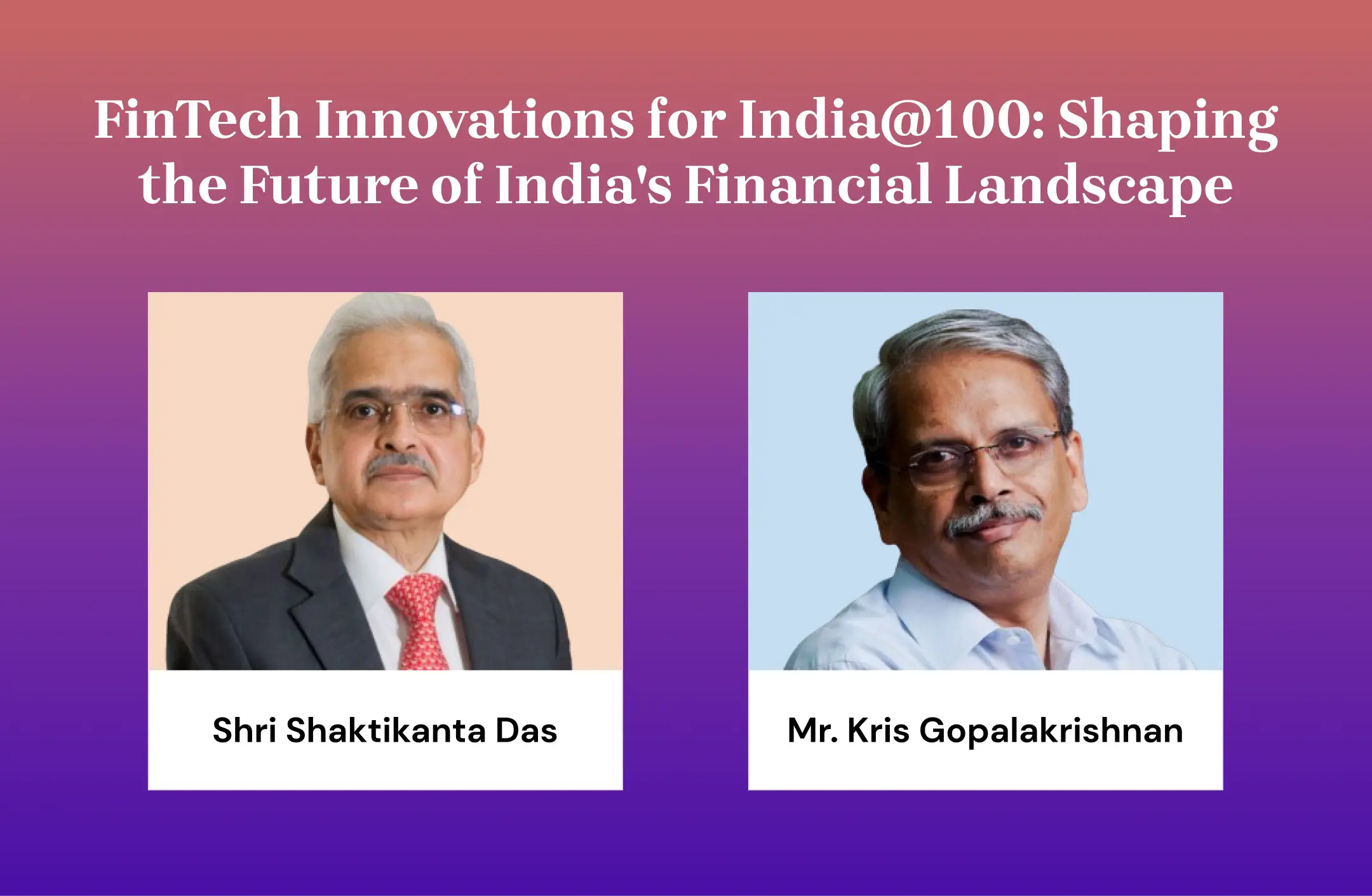
    2. Monitoring: Closely monitor the system’s response to these faults using observability tools.
    3. Resilience assessment: Analyze if the system can bounce back from any unexpected event and carry on without any problems.
    4. Improvement plan: Using the evaluation results as a guide, create and carry out an improvement plan that will give a road map for areas of improvement.

    Effect of this strategy

    ‍Chaos engineering helps ensure that FinTech applications are robust and can withstand unexpected disruptions, thereby maintaining trust with users and stakeholders.

    Synthetic Monitoring for performance validation

    Scripted transactions are used in synthetic monitoring to mimic user interactions with an application in order to track functionality and performance. This proactive approach is crucial for FinTech applications to ensure they perform well under various conditions and maintain a high level of user satisfaction.‍

    How to implement Pingdom for synthetic monitoring

    1. Set up test accounts: Create test accounts within the FinTech application for the checkout process.
    2. Script creation: Write a script in Pingdom that mimics a user completing a transaction flow testing using the test account.
    3. Geographic testing: Configure Pingdom to run the script from multiple locations to simulate different user scenarios.
    4. Schedule monitoring: To constantly monitor the checkout process, set the script to run at regular intervals, such as every fifteen minutes.
    5. Alert configuration: Create alerts in Pingdom to let the team know if there are any problems with the script or if performance limits are crossed.
    6. Review and Optimize: Regularly review the performance data collected by Pingdom and use it to optimize the checkout process.

    Effect of this strategy

    ‍No matter where their consumers are situated, the FinTech organization can guarantee a consistently speedy and dependable checkout process by utilizing platforms like Pingdom or any other tool to conduct synthetic monitoring. This leads to a better user experience, higher conversion rates, and increased trust in their platform.

    Contract testing

    A fresh approach for confirming interactions between different microservices and their consumers—like a web interface or mobile application—is called contract testing. It’s especially helpful in FinTech scenarios when several services collaborate to manage complicated transactions.‍

    How to implement

    • Define contracts: Establish clear contracts that define the expected requests and responses between services.
    • Implement contract tests: Create tests that validate if the services are adhering to their defined contracts.
    • Continuous integration: To guarantee continuous adherence, incorporate contract tests into the CI/CD workflow.

    Here’s a conceptual code snippet using the Pact framework for contract testing:


    // Define a consumer contract with Pact
    const { Pact } = require('@pact-foundation/pact');
    const consumer = new Pact({
      consumer: 'MobileApp',
      provider: 'TransactionService',
    });
    
    // Write a test for a specific interaction
    describe('Transaction Service Contract', () => {
      it('should process user transactions correctly', () => {
        const expectedResponse = { status: 'success' };
        consumer
          .uponReceiving('a request for transaction processing')
          .withRequest({
            method: 'POST',
            path: '/process-transaction',
            body: { amount: 200, currency: 'USD' },
          })
          .willRespondWith({
            status: 200,
            body: expectedResponse,
          });
    
        // Verify the contract
        return consumer.verify();
      });
    });


    Effect of this strategy

    Contract testing ensures that as individual services are updated, they continue to communicate correctly with other services, preventing failures in the complex web of interactions within a FinTech application.

    Visual Regression testing for UI consistency

    Visual regression testing is an original method that compares images of user interface elements to find any unintentional changes. This is particularly important for FinTech apps, as user consistency is essential to maintaining trust and ease of use.‍

    How to implement

    • Capture baseline images: Use a tool to take screenshots of key UI elements.
    • Run comparative analysis: After updates, take new screenshots and compare them to the baseline to identify visual changes.
    • Review changes: Manually review any detected changes to confirm whether they are intentional or bugs.

    Here’s a conceptual code snippet using the BackstopJS tool for visual regression testing:


    const backstop = require('backstopjs');
    
    // Define scenarios for visual regression testing
    const scenarios = [
      {
        label: 'Homepage Test',
        url: 'https://www.example-fintech-app.com',
        referenceUrl: '',
        hideSelectors: [],
        removeSelectors: [],
        selectors: ['header', 'footer', 'main'],
        readyEvent: null,
        delay: 500,
      },
    ];
    
    // Run the visual regression test
    backstop('test', { config: { scenarios } })
      .then(() => {
        console.log('Visual regression tests completed.');
      })
      .catch((error) => {
        console.error('Visual regression tests failed:', error);
      });


    Effect of this strategy

    ‍Ensuring that consumers always see the recognizable interface they trust is made possible by Visual Regression Testing, which is particularly crucial in the FinTech industry, where trust is of the utmost importance.

    Conclusion

    The seven innovative Fintech app testing strategies outlined above are not just theoretical—they are practical, actionable, and can significantly improve the quality and security of FinTech applications in 2024. As we look towards the future, these strategies will become the standard, driving the FinTech industry towards greater innovation and excellence.

    If you have any queries or are willing to use our Fintech testing services, contact us at Alphabin.